Skylights do not automatically need replacement when an Indian Trail home gets a new roof. A recent, sound unit may stay if its frame, glass, curb, seals, and operation check out and compatible new flashing can be installed. Replacement makes more sense when the skylight is aging, leaking through the unit, cloudy between the panes, damaged, difficult to service, or unlikely to last as long as the new roof.
The roof replacement is the practical moment to make that call. The shingles and flashing already have to come off around the opening, so access is better and the water-shedding layers can be rebuilt in the correct order.
What you want to avoid is keeping a questionable skylight simply because it is not dripping today. Replacing it a few years later can mean opening a section of an otherwise good roof again.
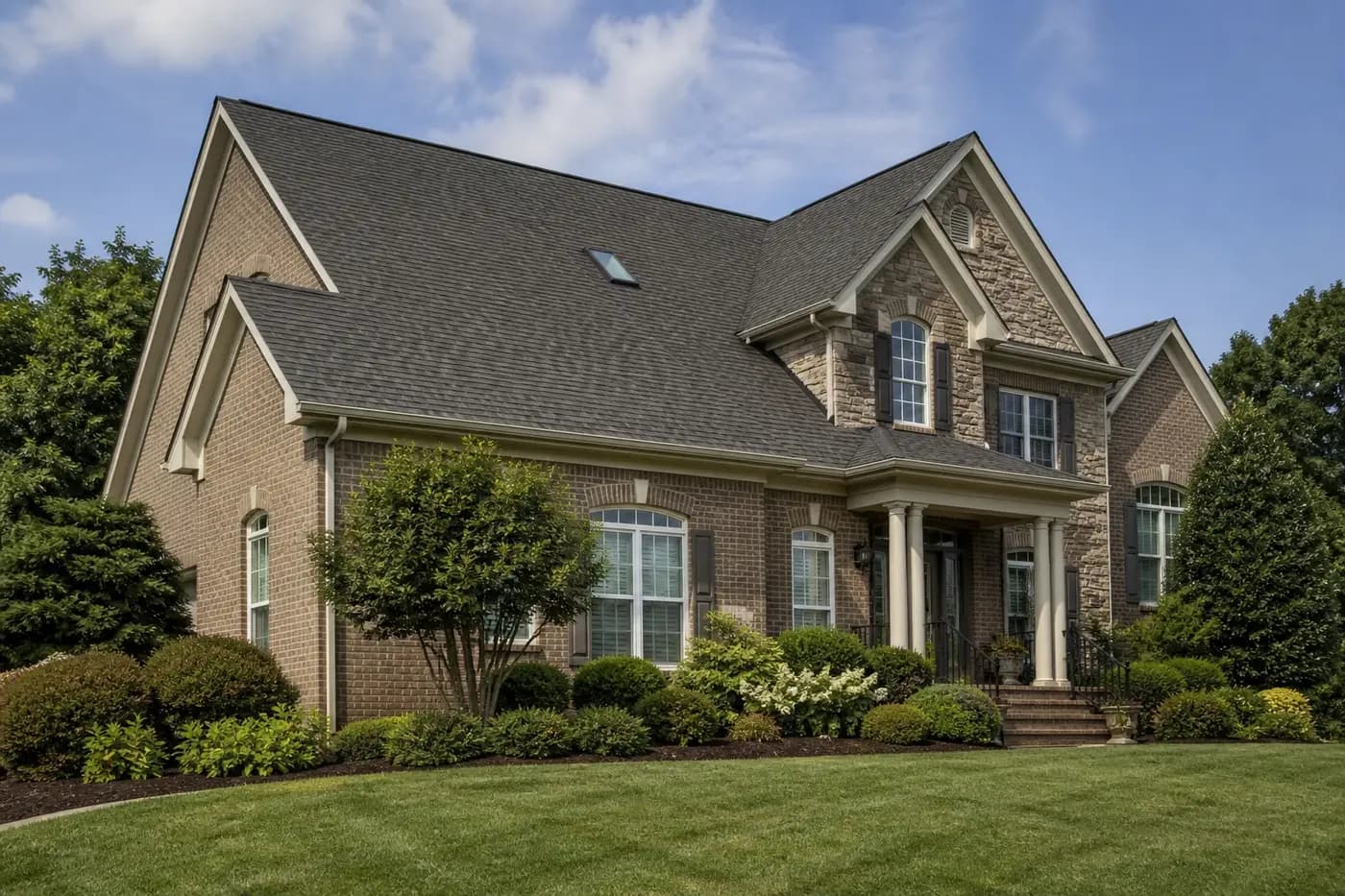
When Does Skylight Replacement Make Sense?
Start with problems in the skylight itself. Fog, haze, or moisture trapped between panes points to a failed insulated-glass seal. Cracked glass, a warped frame, brittle gaskets, corrosion, damaged cladding, or an operating sash that no longer closes correctly also strengthens the case for replacement.
Then consider age and support. If nobody can identify the model, replacement parts are unavailable, or a dependable flashing kit cannot be matched to the unit, reusing it adds uncertainty to a brand-new roof. The same goes for an old curb that is split, out of square, water-damaged, or poorly sized.
Timing matters too. A skylight does not have to be visibly broken to be a poor long-term match for the project. If it is already well into its service life, paying for careful removal, new flashing, and roofing integration only to replace it soon afterward may not be the sensible choice.
When Can an Existing Skylight Stay?
A newer skylight with clear glass, a straight frame, healthy seals, smooth operation, no recurring leak history, and an available compatible flashing system may be a good candidate for reuse. Curb-mounted units also require a dry, stable, correctly built curb.
“Keep it” should still include real roofing work. The crew needs to expose the opening, inspect nearby decking, install underlayment correctly around the curb or frame, and integrate flashing with the new shingle courses. Roofing up to old visible metal and adding sealant is not the same thing.
Each opening deserves its own decision. Two skylights on the same home may differ in age, sun exposure, model, leak history, or condition. A written roof scope can call for keeping one and replacing the other without contradiction.
Why Is Skylight Flashing So Important With a New Roof?
Flashing directs water around the opening and back onto the roof surface. The pieces must work with the roof pitch, skylight type, shingle profile, underlayment, and manufacturer details. Head flashing handles water from above, side flashing manages runoff along the opening, and sill flashing lets water exit below.
Old metal can be bent during removal, punctured by prior fasteners, layered incorrectly, or dependent on sealant that has dried out. Even metal that looks clean may not line up with the new shingle exposure. That is why the estimate should name the flashing approach instead of saying only “work around skylight.”
This is similar to other roof details. Our guide to replacing roof flashing during reroofing explains why sound water-shedding integration matters more than saving an old piece of metal.
What Should You Ask Before the Roof Replacement?
Ask the roofer to identify each skylight and write down the plan. Is it staying or being replaced? Is the flashing kit new? Does the kit match the model and roofing material? Will surrounding decking and the curb be inspected after tear-off? Who handles interior trim or paint if the opening size changes?
If the unit opens, confirm whether it is manual, electric, or solar and whether controls, wiring, sensors, and shades remain compatible. For a replacement, ask when the skylight will arrive. The roof should not be opened based on an assumption that the right product is sitting nearby.
A complete roof replacement plan should connect skylights with shingles, underlayment, decking, flashing, ventilation, cleanup, and weather protection. One sentence about “reflashing” is not enough when the choice affects an opening through the roof.
What if the Skylight Already Leaks?
First, make sure it is actually a rain leak. Water staining that grows after wind-driven rain points toward exterior entry. Moisture that appears during cold weather or after showers and cooking can involve interior humidity and condensation instead.
When rain is the trigger, the entry may be in the shingles, underlayment, step flashing, head flashing, fasteners, curb, frame, or glass seal. Water can travel before it shows on drywall, so the ceiling mark does not identify the failed part by itself.
Our guide to why skylights leak in Indian Trail covers those clues in more detail. The key point for reroofing is simple: new shingles can correct a roofing-side problem only when the opening is rebuilt correctly. They cannot repair failed glass or a damaged skylight frame.
Indian Trail and nearby Union County homes see hot summers, humid indoor air, sudden downpours, and wind-driven rain. Those conditions make careful inspection worthwhile, but they do not create one rule for every skylight. Keep a good one when the evidence supports it. Replace a doubtful one while the roof is already open.
Planning a new roof and unsure whether your skylight should stay?
Kaliber Roofing can inspect the roof and skylight details, document visible concerns, and explain the flashing or replacement scope before tear-off.
Schedule a Free Roof InspectionFrequently Asked Questions
Do skylights have to be replaced every time the roof is replaced?
No. A skylight that is relatively recent, in good condition, correctly sized for an available flashing system, and free of glass, frame, curb, and operating problems may be reused. The roofer should still remove the surrounding roofing and install compatible flashing rather than simply roofing around the old assembly.
Can a roofer reuse the old skylight flashing?
Old flashing should not be assumed reusable. Tear-off can bend pieces, and a new shingle layout may not integrate with the old system correctly. The safer plan is usually a complete manufacturer-compatible flashing kit or a properly designed site-built system for the specific skylight and roof condition.
How do I know how old my skylight is?
Look for installation invoices, permits, warranty records, labels on the frame or sash, and date codes between glass panes. If the exact age stays uncertain, condition, model identification, available replacement parts, and flashing compatibility become more useful than guessing.
Will a new roof fix a leaking skylight?
Only when the leak comes from the surrounding shingles, underlayment, or flashing and those details are rebuilt correctly. New roofing will not repair failed insulated glass, a cracked frame, worn operating seals, interior condensation, or a damaged curb.
Can just one skylight be replaced during reroofing?
Yes. Each skylight can be evaluated separately. One may be recent and serviceable while another has cloudy glass, brittle seals, a damaged frame, or no dependable flashing kit. The estimate should identify the plan for each opening rather than treating every unit the same.
Should I decide before roof work begins?
Yes. Model identification, measurements, product availability, interior finishing, electrical needs for powered units, and possible decking or curb repairs are easier to plan before tear-off. A written decision also avoids leaving the roof open while someone waits for a skylight.