Most standard asphalt-shingle roof replacements in Indian Trail take about one to two working days after tear-off begins. A large, steep, cut-up, or damaged roof can take longer. Weather can change the schedule, too. The useful answer is not a blanket promise—it is a written plan based on your roof's size, shape, access, materials, and known repair needs.
A fast crew is not automatically a rushed crew, and a two-day job is not automatically a problem. The real question is whether the contractor has enough people, materials, equipment, and daylight to remove the old roof, inspect the deck, dry it in, install the system, and clean up without skipping steps.
Before work starts, ask for an expected start day, a realistic working-day range, and the conditions that could move either one. That short conversation clears up most scheduling surprises.
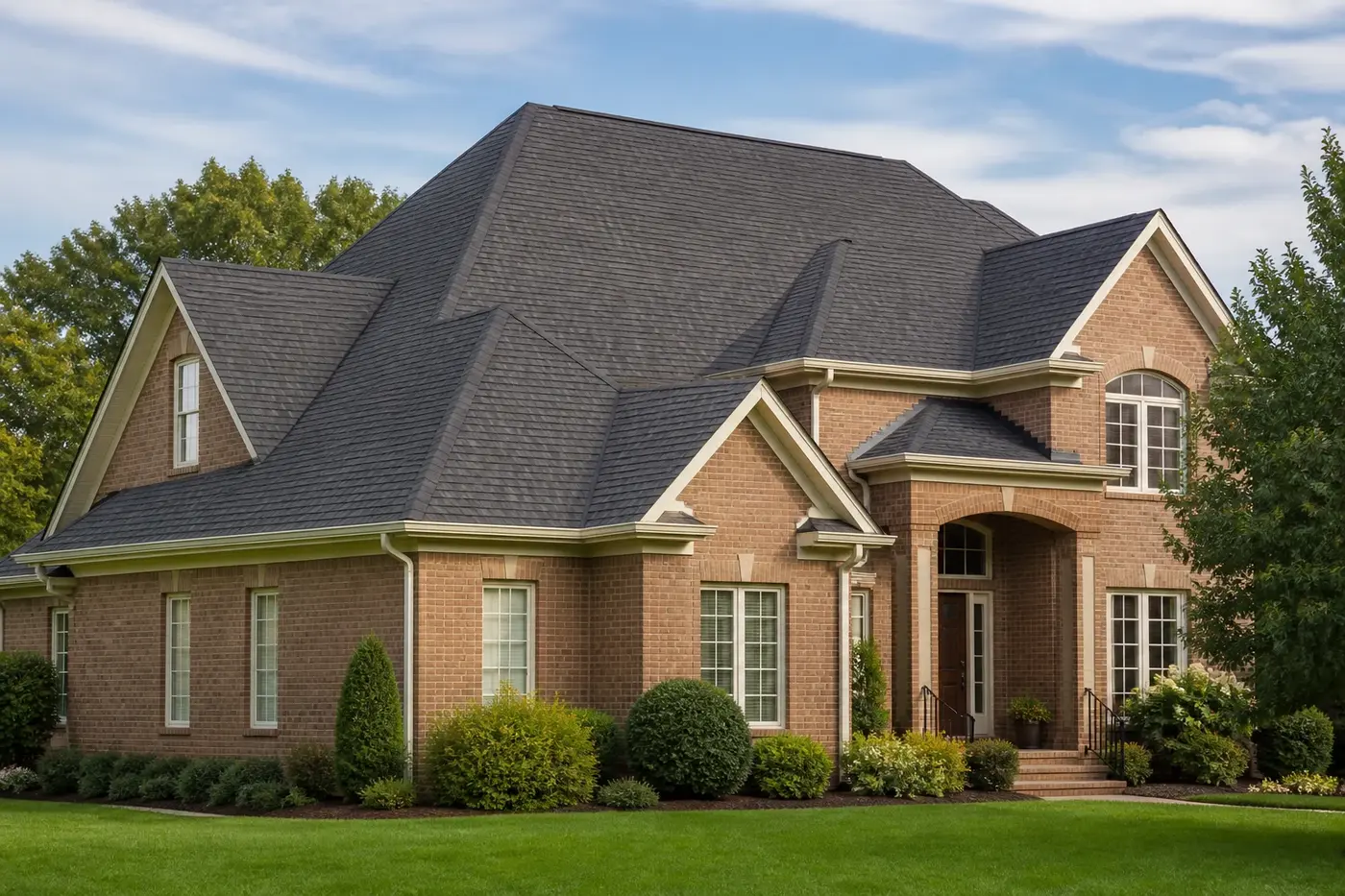
What Happens During a Typical Roof Replacement Timeline?
The visible work starts before the first shingle comes loose. Materials need to arrive, property-protection steps go in place, and the crew stages safe access around the home. Then tear-off begins. Old shingles and disposable layers are removed in controlled sections instead of opening the whole roof without a plan.
Once the deck is visible, the pace may slow for a good reason. The crew checks sheathing, old repairs, valleys, roof-to-wall transitions, ventilation openings, and penetrations. Damaged wood should be documented and corrected before fresh underlayment covers it. Our guide to decking during roof replacement explains why that inspection cannot be completed from the yard.
Next comes dry-in, flashing and roof components, shingles, ridge or hip caps, and final detailing. Cleanup overlaps the work rather than waiting until the last nail is driven. At the end, accessible ground areas, gutters, porches, planting edges, and material staging areas should receive a final check.
What Makes One Indian Trail Roof Take Longer Than Another?
Square footage matters, but roof shape often matters just as much. A broad, walkable roof with long open runs can move efficiently. A roof with steep sections, many hips and valleys, dormers, chimneys, skylights, walls, and plumbing penetrations requires more cutting, flashing work, staging, and inspection. Two homes with similar floor plans may have very different roofs.
Access changes the day as well. Crews need a safe path for people, materials, and debris. Tight side yards, mature landscaping, fences, pools, exterior equipment, and neighboring homes can limit where protection and collection equipment go. That does not make replacement impossible. It means the plan has to match the property.
Then there is the part no satellite measurement can fully confirm: what sits under the shingles. A clean, sound deck keeps the project moving. Soft panels, old leak damage, poorly fastened sheathing, concealed flashing problems, or an unexpected second roofing layer add real work. A careful estimate identifies those possibilities before tear-off instead of pretending they cannot happen.
How Do Rain, Wind, and Summer Heat Affect the Schedule?
Union County weather does not always respect the calendar. A clear morning can give way to a fast afternoon storm, especially in summer. Roofers should watch more than the rain icon. Start time, storm timing, wind, temperature, humidity, roof exposure, and the amount of work that can be secured before conditions change all matter.
A sensible weather plan may mean delaying the start, opening a smaller section, stopping tear-off earlier, or carrying the project into another day. That can feel frustrating when the old roof is already on the schedule, but protecting the exposed home is more important than hitting an artificial finish time.
Ask how the crew establishes a dry-in and what gets checked before leaving overnight. Underlayment, edges, laps, penetrations, loose materials, and active repair areas need deliberate attention. Our article on new roof underlayment covers the layer that protects the prepared deck beneath the finished shingles.
How Should You Prepare for Roof Replacement Day?
Start with access. Follow the contractor's instructions for gates, exterior furniture, fragile decorations, grills, and anything stored close to the walls. Inside, vibration can shift loosely hung pictures and items on high shelves. Move what could fall. If vehicles need to leave during the day, relocate them before materials and equipment limit access.
Plan for noise. Tear-off, deck repairs, and fastening are loud inside the house. Remote meetings, naps, anxious pets, young children, and night-shift sleep do not pair well with roofing overhead. You may be able to stay home, but our practical guide to staying home during roof replacement can help you decide whether leaving during the busiest hours makes more sense.
Finally, keep one contact person on each side of the project. If hidden decking or another condition appears, the contractor should know who can review photos and approve the next step. Quick, documented decisions prevent an avoidable pause without turning a surprise into an open-ended change order.
What Should the Estimate Say About Timing?
Look for a projected start window and an estimated number of working days—not a vague “we will get to it soon.” The contract should also explain weather delays, delivery or material issues, crew access, work hours, cleanup, and how you will be told if the schedule changes.
Concealed work deserves its own language. Ask how damaged decking is measured and priced, who approves it, whether photos are provided, and how extensive repairs could affect completion. Also confirm whether the timeline includes tear-off, disposal, component replacement, cleanup, and final inspection. A complete roof replacement scope is more useful than a finish date detached from the work.
One more question is worth asking: “What would make this job take longer than your estimate?” A clear answer tells you far more than an overconfident promise. Roof replacement is easier to live through when the schedule includes a little honesty.
Want a realistic timeline for your Indian Trail roof?
Kaliber Roofing can inspect the roof, explain the work, and give you a project-specific schedule before tear-off begins.
Schedule a Free Roof InspectionFrequently Asked Questions
Can a roof really be replaced in one day?
Yes, some straightforward asphalt-shingle roofs can be completed in one working day when the crew, materials, access, deck condition, and weather all cooperate. One day should be treated as a project-specific schedule, though—not a promise for every home.
Why would roof replacement take two or three days?
A larger or steeper roof, several hips and valleys, multiple penetrations, limited access, concealed decking repairs, or shorter weather windows can extend the work. Careful staging and dry-in matter more than forcing the job into an unrealistic deadline.
What happens if rain is forecast during roof replacement?
The contractor should watch the forecast, limit how much roofing is opened at once, and protect exposed areas with an appropriate dry-in plan. Work may start later, pause, or move to another day when conditions do not allow safe removal and installation.
Does the roof stay open overnight?
It should not be left unprotected. If the full roof cannot be completed that day, the crew should secure the active section with underlayment or another planned temporary weather barrier and check edges, seams, penetrations, and loose materials before leaving.
How long will the noise last?
The loudest period is usually tear-off and deck fastening, followed by repeated nailing as shingles are installed. Ask the contractor which day and hours will be noisiest so household members, pets, remote workers, and neighbors can plan around it.
Can hidden roof damage change the completion date?
Yes. Tear-off may reveal soft decking, old patches, damaged flashing, or framing concerns that could not be confirmed from the surface. The written scope should explain how those conditions are documented, priced, approved, and added to the schedule.