No, roof decking does not automatically need to be replaced when you get a new roof in Indian Trail. Decking that is dry, flat, structurally sound, and able to hold fasteners can usually stay. Soft, rotten, delaminated, broken, badly swollen, or sagging sections should be removed before new underlayment and shingles go on.
That sounds straightforward. The catch is timing: shingles and underlayment hide most of the wood from above, so nobody can honestly promise the exact decking quantity from the yard. An attic inspection helps. Tear-off gives the clearest view.
The right plan is not “replace every sheet” or “reuse everything.” It is to inspect the exposed deck one section at a time, document anything questionable, and keep sound wood in place while replacing what cannot support the new roof.
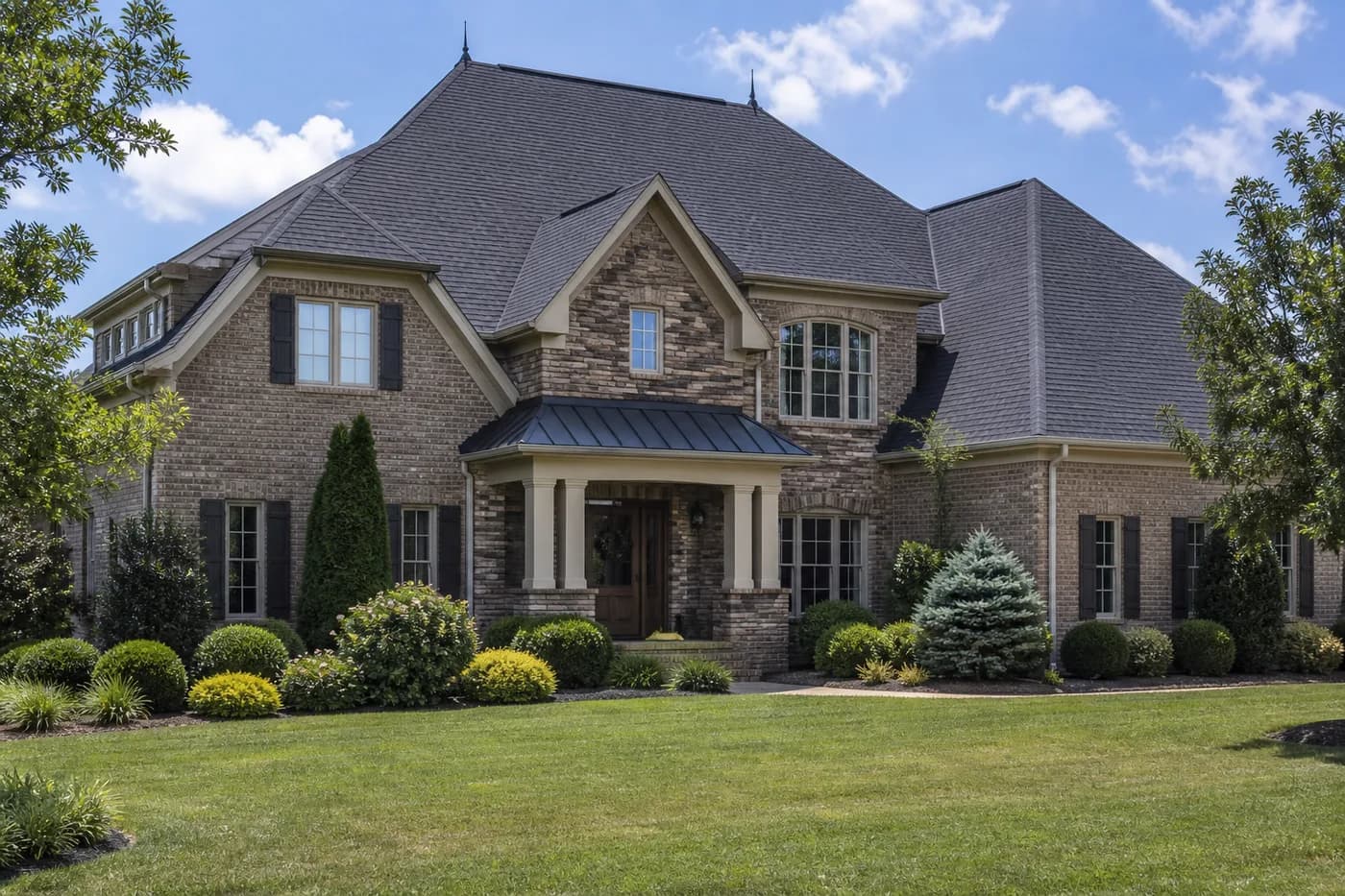
When Can Existing Roof Decking Stay?
Decking is the wood surface beneath the roofing layers. On many Indian Trail homes, it is plywood or oriented strand board. Older homes and repaired sections may use boards or a mix of materials. Whatever the type, it has to provide a stable, reasonably flat base for underlayment, flashing, shingles, and fasteners.
Wood does not need to look brand-new to remain serviceable. Old nail holes, light discoloration, or an inactive stain may be harmless once the leak source is understood. The useful questions are more direct: Is the wood firm? Is it dry? Are the panel edges supported and lying flat? Will the specified fasteners hold?
A good crew checks as tear-off moves across each slope. Sound areas remain. Questionable areas get marked for a closer look rather than being covered on autopilot.
What Decking Conditions Call for Replacement?
Softness is a big one. If the surface crushes, flexes abnormally, flakes apart, or will not hold a fastener, it is not a dependable base. Rot, fungal decay, broken panel edges, severe swelling, and layers separating within plywood are also reasons to cut out the affected area.
Sagging deserves context. Sometimes the deck itself is damaged. Sometimes panel spacing, unsupported seams, framing movement, or an older installation is involved. Replacing one sheet without understanding the shape below it can miss the real problem.
Water entry often starts at a roof detail rather than in the middle of an open slope. Valleys, pipe boots, chimneys, walls, skylights, and roof edges deserve careful attention. The new wood matters, but so does correcting the failed flashing or drainage path that damaged it.
If you are still diagnosing the roof rather than planning a full replacement, our guide to signs of damaged roof decking covers attic clues, roofline changes, and safe inspection steps.
Why Can Decking Damage Stay Hidden Until Tear-Off?
From the attic, insulation, low clearance, finished ceilings, and HVAC equipment can block the view. From outside, shingles may bridge over a weak spot well enough that the problem is not obvious. Even moisture readings and a careful walkover are evidence—not x-ray vision.
Once the old roofing comes off, the crew can see the top face, panel seams, prior repairs, abandoned openings, and damage around penetrations. That is when a decking allowance or unit-price contingency becomes useful. It lets the job keep moving without turning a hidden condition into a surprise negotiation.
Ask for photos before questionable wood is covered or discarded. A wide photo shows location; a closer photo shows the condition. Together, they make the change easier to understand than a text saying “three sheets needed.”
What Should the Estimate Say About Roof Decking?
Look for plain language. Does the proposal include any decking? How are additional sheets or boards priced? Who approves the change? Will the crew photograph the problem? What material and thickness will be used? How will an older board deck or unusual spacing be handled?
Also ask what happens if the visible damage points to framing, ventilation, or a long-running leak. Decking replacement restores the surface, but it does not automatically fix every cause below or above it. The scope should connect the wood repair with the water-shedding detail that failed.
A documented roof replacement plan should explain shingles, underlayment, flashing, ventilation, decking contingencies, cleanup, and communication before work starts—not after the roof is open.
Can You Replace Part of the Deck Instead of All of It?
Yes. A defined leak around one pipe boot or chimney may damage a small area while the rest of the roof deck remains solid. The crew can remove the compromised section, provide proper support at the repair edges, install compatible decking, and rebuild the roofing layers above it.
Whole-slope or broader redecking becomes more reasonable when weakness is widespread, panel edges are failing across the roof, large areas will not hold fasteners, or the existing surface cannot support a reliable installation. That decision should come from what is exposed—not a blanket rule tied to roof age.
Indian Trail and nearby Union County homes see hot summers, humid attics, wind-driven rain, and strong storms. Those conditions can expose a weak detail, but they do not mean every older deck is ruined. Inspect first. Keep what is sound. Replace what is not.
Planning a new roof and want the decking process explained before tear-off?
Kaliber Roofing can inspect the roof, document visible concerns, and provide a clear replacement scope with decking contingencies in writing.
Schedule a Free Roof InspectionFrequently Asked Questions
Is roof decking always replaced during a roof replacement?
No. Sound, dry, flat decking that holds fasteners properly can often remain. The crew should replace sections that are soft, rotten, delaminated, broken, badly swollen, improperly spaced for the roofing system, or unable to provide a reliable fastening surface.
How can a roofer tell whether decking is bad?
An attic inspection and a careful walkover can reveal stains, sagging, softness, open joints, or past patches, but the full condition is usually clearest after the old shingles and underlayment are removed. Each exposed panel or board can then be checked before the new roof layers are installed.
Can only one section of roof decking be replaced?
Yes. Localized damage around a leak, valley, chimney, roof edge, or penetration may require only a defined section to be removed and replaced. Broader replacement makes more sense when weakness, rot, spacing problems, or deterioration extends across many roof planes.
What happens if new shingles are installed over soft decking?
Soft or deteriorated decking may not hold roofing fasteners correctly and can leave the finished surface uneven. It can also allow an existing moisture problem to remain hidden. The damaged wood should be corrected before underlayment and shingles cover it again.
Should decking replacement be included in the roof estimate?
The estimate should explain how included decking, additional sheets or boards, approval, photos, and pricing will be handled. Since some damage cannot be confirmed until tear-off, a clear unit price or written contingency is more useful than pretending the final quantity is already known.
Does stained roof decking always need replacement?
Not automatically. A dark stain can remain after an older leak has dried, while clean-looking wood can still be weak. Moisture condition, firmness, delamination, decay, sagging, fastener holding, and the source of any water entry matter more than color alone.