You should consider replacing your roof before installing solar panels when the shingles are near the end of their useful life, the roof already leaks, decking or flashing needs repair, or the roof condition is too uncertain to support a long-term solar project. A sound roof with substantial service life may not need replacement. The smart move is to have the roof inspected first, compare its likely timeline with the solar system's timeline, and put roofing, mounting, removal, and warranty responsibilities in writing before work begins.
Solar changes how you plan roof work. Once an array covers part of a slope, replacing the shingles below it is no longer a simple tear-off. The panels, wiring, rails, and attachments normally have to be removed or safely disconnected, stored, and installed again after the roofing is finished.
That does not mean every older roof needs to be replaced on sight. It means the decision deserves more than a quick glance from the curb. In Indian Trail, a roof has to handle summer heat, humid attic conditions, wind-driven rain, falling debris, and strong storm seasons. Existing wear that seems minor today can become expensive to reach once solar equipment sits above it.
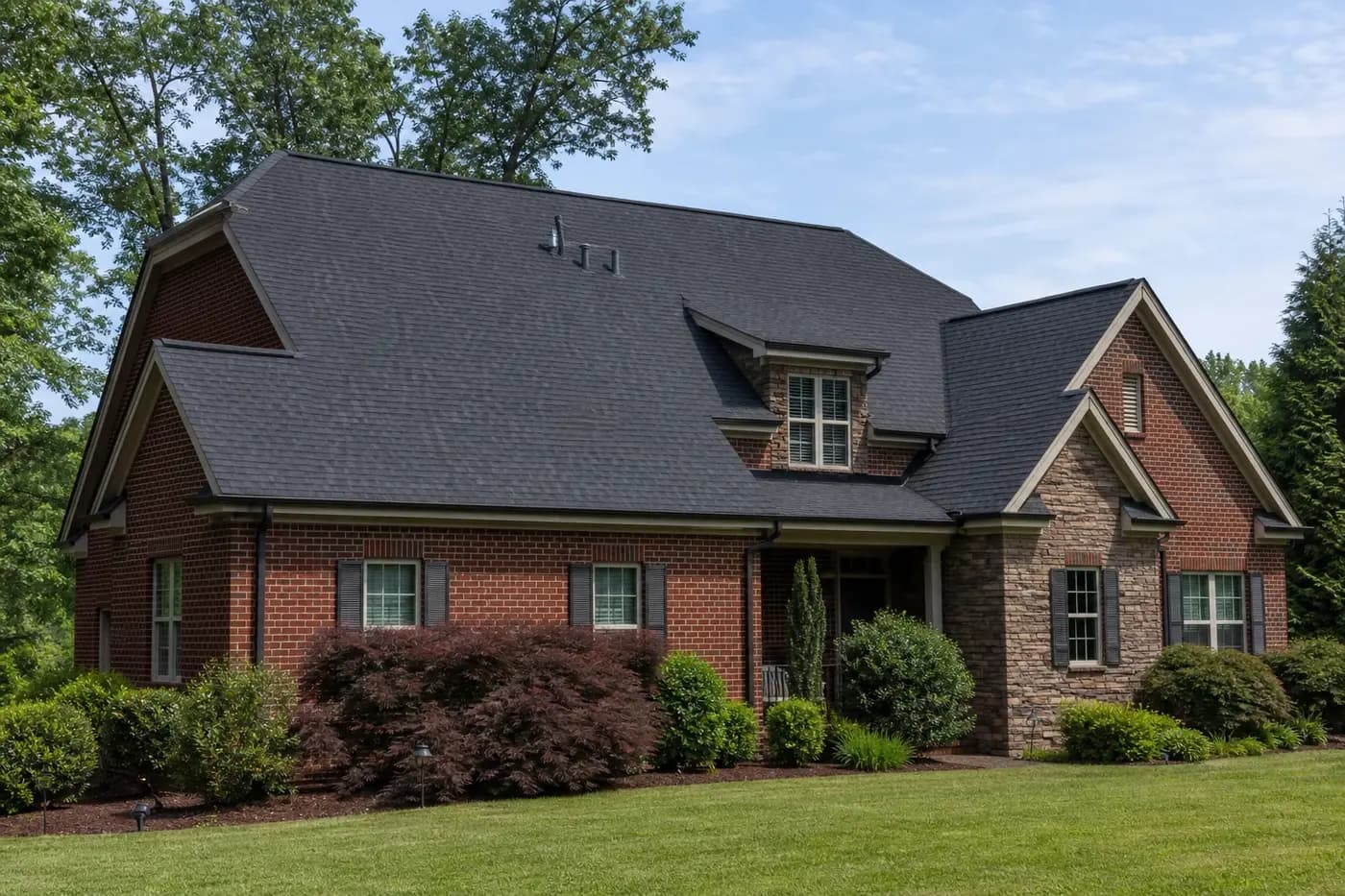
What Should Be Inspected Before Solar Panels Go On?
Start with the roof covering. Asphalt shingles should be checked for widespread cracking, curling, missing granules, lifted tabs, slipped pieces, soft spots, old patches, and exposed or misplaced fasteners. One isolated repair does not automatically call for replacement. Wear across several slopes, brittle shingles, or repeated repairs tell a different story.
Then move to the details. Valleys, chimneys, walls, dormers, plumbing vents, box vents, skylights, gutters, and roof edges are common places for water to change direction or meet a penetration. These areas should be evaluated before panel rails limit access. If the roof already leaks around a wall or vent, fix the entry point and confirm the affected materials are dry and sound before covering the slope with equipment.
The attic can add context. Damp insulation, fresh stains, darkened decking, rusty fasteners, poor airflow, or a musty area may point to a roof leak or a separate condensation problem. Either way, mounting solar above an unresolved moisture issue does not solve it. Our guide to roof underlayment damage in Indian Trail explains why surface appearance alone cannot confirm what is happening below the shingles.
Ask for photos, not just a one-line verdict. Broad images show which slope is being discussed. Close views explain a specific defect. Together they let the roofer, homeowner, and solar contractor work from the same map.
When Does Roof Replacement Before Solar Make Sense?
Replacement deserves serious consideration when the roof has widespread wear, active or recurring leaks, soft or damaged decking, failing flashing, several mismatched repairs, or too little reliable service life for the planned solar investment. The point is not to sell two projects at once. It is to avoid paying to dismantle a newer solar installation just to reach an aging roof underneath.
A focused repair may be enough when the roof is otherwise sound and the concern is truly local: one failed pipe boot, a small flashing defect, or a few damaged shingles with compatible replacement material available. That repair still needs to be finished and documented before solar attachment work begins.
What if nobody knows the roof's age? Records help. Look for the prior invoice, warranty registration, closing documents, permit information, or dated installation photos. Physical condition matters more than a guessed birthday, but a credible date makes timeline planning much easier. See how to estimate a roof's age in Indian Trail when the paperwork is missing.
Do not forget the uncovered slopes. A solar layout may use only the best-oriented roof plane, yet the remaining shingles still belong to the same water-shedding system. Replacing the covered side now and discovering that the opposite side needs work shortly afterward can create an awkward sequence, color differences, and repeated mobilization. Compare the entire roof before choosing a partial or full scope.
How Should the Roofer and Solar Contractor Coordinate?
Each company has a different job. The roofer evaluates and builds the water-shedding roof system. The solar contractor designs the array, confirms electrical requirements, and selects an attachment system. The scopes meet at the mounts, flashing, roof structure, cable routes, setbacks, and any future need to remove panels.
Before installation, ask the solar contractor for the final array layout and attachment method. The roofer should know where mounts are planned and whether roof repairs, flashing work, vent changes, or shingle replacement would conflict with that layout. Do not move or remove roof ventilation casually just to fit another panel. Intake and exhaust still need to work as a system.
If the roof will be replaced first, settle the sequence before tear-off. The roof scope should identify shingles, underlayment, decking terms, flashing, penetrations, ventilation, cleanup, and completion documentation. The solar scope should explain when layout verification occurs, how attachments are flashed, who makes structural decisions, and what happens if field conditions differ from the plan.
Photos are valuable here too. Save images of the bare deck where repairs were made, the underlayment and flashing, and the completed roof before panels cover it. Then save the solar mounting and wiring photos. Years from now, that record can show where attachments land without guessing through the finished array.
What Should You Know About Mounts, Leaks, and Warranties?
Solar mounts are not automatically a leak problem, but they are not invisible either. The attachment has to connect to the intended structural member or approved deck system, and the penetration must be managed with a compatible, correctly layered flashing or sealing detail. A bead of exposed sealant should not be the only long-term water strategy where a proper flashed assembly is required.
Ask who is responsible if moisture appears near the array. Will the solar company make the first visit? Can the roofer inspect without affecting solar coverage? Who pays for panel removal if the suspected leak is beneath the array? A clear answer now is worth much more than two contractors pointing at each other after a storm.
Review warranty language before work, not after. Roofing manufacturer coverage, roofer workmanship terms, solar equipment coverage, and solar installation terms are separate documents with separate conditions. Ask whether the planned attachments affect any roof warranty, whether the roofing contractor must approve details, whether registrations are required, and how later service work is documented.
If an existing roof is being replaced, confirm that all penetrations and flashing details are addressed in the new scope. Our Indian Trail guide to flashing during roof replacement covers what may be reused and what should be replaced when tear-off exposes the details.
What Should You Confirm Before Signing a Solar Contract?
Get the roof decision in writing. The document does not need to predict an exact failure date—that would be false precision. It should record observed condition, repair needs, any inaccessible areas, the roof's estimated remaining-life range if the contractor can support one, and the reasoning behind repair, replacement, or no roofing work.
Ask the solar company about future panel removal and reinstallation. Who is authorized to do it? What is included, what is separately priced, and how quickly can it be scheduled when roofing work becomes necessary? Also ask how equipment and workmanship coverage are handled after a remove-and-reinstall service.
Confirm the final design still allows reasonable roof drainage and service access. Gutters, valleys, roof vents, plumbing vents, chimneys, and wall transitions should remain functional and inspectable. A layout that looks efficient on a screen still has to fit a real roof with real water paths.
Last, compare complete scopes rather than sales headlines. A low solar price can become less attractive if near-term roof work was ignored. A roof replacement proposal can also be premature when a documented repair would protect a sound roof. Slow down long enough to make the two timelines agree. That is the practical answer.
Planning solar panels on an Indian Trail home?
Kaliber Roofing can document the roof's current condition and explain whether repair, replacement, or no roofing work makes sense before installation.
Schedule a Free Roof InspectionFrequently Asked Questions
Can solar panels be installed on an older asphalt-shingle roof?
They can be, but age alone does not settle the decision. The shingles, flashing, decking, roof shape, leak history, ventilation, and expected remaining service life should be evaluated together. Installing on a roof likely to need near-term replacement can add panel removal and reinstallation to the later roofing project.
Do solar panels have to come off for roof replacement?
Panels mounted over the roof normally have to be removed before the covered roofing can be torn off and replaced, then reinstalled after the new roof is ready. Ask the solar company who performs that work, how scheduling is handled, what it costs, and which workmanship or equipment terms apply afterward.
Who should inspect the roof before solar installation?
Use a qualified roofer for the roof-system evaluation and the solar contractor for array design, electrical work, and mounting requirements. Each company should document its own scope. A solar sales visit should not replace a focused review of shingles, flashing, decking, penetrations, drainage, and leak history.
Will solar-panel mounts cause roof leaks?
A properly designed and installed mounting system should manage penetrations with compatible flashing and seal details, but any roof penetration deserves careful planning. Ask for the mount manufacturer, attachment method, flashing detail, rafter or structural attachment plan, and written responsibility if a leak develops near the array.
Should I replace only the roof area beneath the solar panels?
Usually, the whole roof should be assessed before choosing a partial replacement. Replacing only one plane can leave other slopes on a different aging schedule and may complicate color matching, flashing transitions, warranties, and future work. A focused partial scope can make sense in some homes, but it should follow documented roof findings rather than convenience alone.
What roof records should I give the solar installer?
Share the roof installation date if known, shingle and warranty documents, repair records, leak history, decking or structural reports, and any photos from the last reroof. Keep the final solar layout, mounting details, permits, warranties, and installation photos with those roof records for future service.