The best way to learn your roof's age is to find a dated installation record: a contractor invoice, warranty, closing document, seller disclosure, permit entry, or photo from the reroof. If the paperwork is gone, an Indian Trail roofer can usually estimate a range from the shingles, flashing, repairs, vents, and decking—but appearance alone rarely proves an exact year.
Start with the paper trail. It is faster, safer, and usually more dependable than trying to read age from the lawn. A roof can look older on a sunny, tree-covered slope and newer on the shaded side of the same house. Maintenance and storm exposure muddy the picture even more.
What if every folder is empty? That happens. You can still piece together a useful history, then pair it with a current-condition inspection so you know what the roof needs now—not just how many birthdays it may have had.
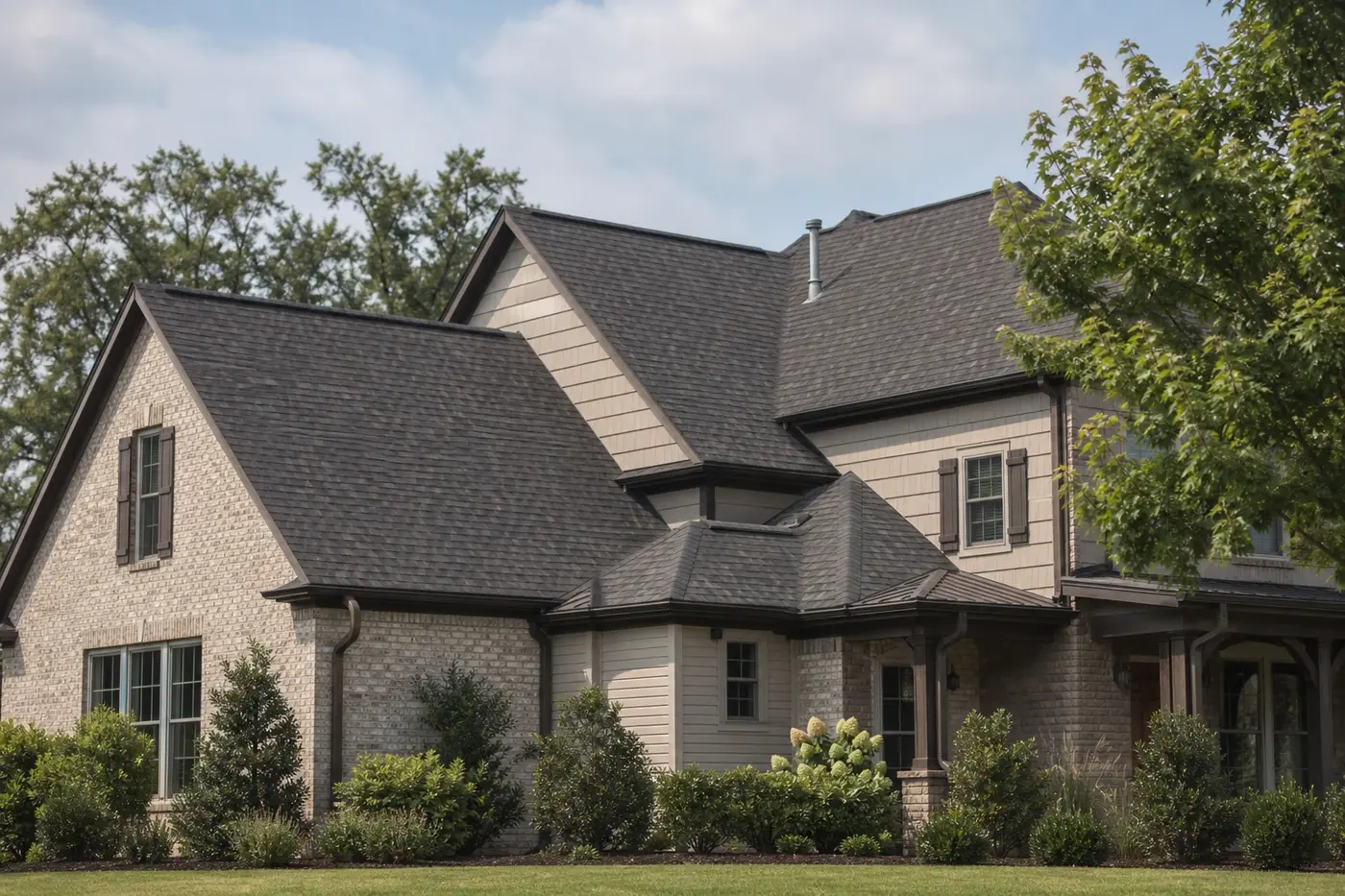
Which Records Give the Best Answer?
Check your home purchase folder first. The seller disclosure, home inspection, repair addendum, appraisal photos, and closing emails may mention a reroof or roof warranty. Pay attention to the wording. “Roof reported as 8 years old” is an estimate or statement; a paid invoice dated eight years ago is direct evidence.
Next, look for a contractor proposal, final invoice, workmanship warranty, manufacturer registration, or transferable warranty packet. Search email for terms such as “roof,” “shingles,” “reroof,” “warranty,” and the property address. A past owner or real estate agent may also remember the contractor's name.
Insurance documents can help, too, especially if a prior claim led to completed work. But a claim date does not automatically equal an installation date. Look for proof that the roof work was actually performed: completion paperwork, final photos, payment records, or a contractor's certificate.
Can Permit History Show When the Roof Was Replaced?
It can provide a valuable date when a searchable record exists. Try the property address, parcel details, prior owner names, and broad work descriptions. A project may appear as roofing, storm repair, exterior alteration, or general residential work rather than the exact phrase you expected.
Still, a blank search is not proof that the roof was never replaced. Older records may be stored differently, the address format may have changed, or the work may not appear in the public search you checked. Permitting requirements and record systems can also vary by project and jurisdiction. For an Indian Trail home, confirm which local or county office held the record at the time instead of assuming one database tells the whole story.
If you find a record, compare it with the roofing materials and any warranties on hand. Matching dates strengthen the timeline. Conflicting dates deserve a closer look; one record could relate to a small repair rather than a full replacement.
What Physical Clues Help Estimate Roof Age?
A roofer looks at the roof as a system. Shingle flexibility, surface granules, edge wear, cracking, curling, seal condition, repair patches, flashing style, vent details, and exposed fasteners all add context. None acts like a birth certificate.
Granule loss is a good example. Some loose granules can appear with newer shingles, after weather, or from normal wear. Heavy, uneven loss across older-looking slopes tells a different story. Our guide to roof granules collecting in gutters explains why the pattern and roof condition matter more than one handful.
Repairs can confuse the estimate. A newer patch on a much older slope may use a close—but not identical—shingle color. New pipe boots or ridge caps do not prove the field shingles were replaced at the same time. And dark streaks, tree shade, or one hard-hit storm can make a roof look older than its installation date suggests.
Inside the attic, decking type, old nail patterns, replaced sheathing, and stain history may help reconstruct past work. They still need context. A clean attic does not date the shingles, and a dark stain may belong to an old leak that was already repaired.
Why Does Knowing the Roof Age Matter?
Age helps with maintenance, budgeting, home sales, insurance conversations, and deciding how much confidence to place in a small repair. It gives the condition evidence a timeline. That is useful—but it should not overrule what the roof is actually doing.
An older roof with intact shingles, sound flashing, dry decking, and no recurring leaks may remain serviceable. A younger roof with poor installation, widespread wind creases, failed flashing, or soft decking can need attention much sooner. Calendar age never excuses an active leak.
This is also why a free online lifespan number cannot settle the question. Product, installation, ventilation, slope, sun, tree cover, maintenance, and Indian Trail storm exposure all shape how the roof performs. If you are deciding between a focused roof repair and broader work, current evidence should carry the most weight.
What Can a Roof Inspection Tell You?
A useful inspection separates three questions: What is the likely age range? What condition is the roof in today? What action, if any, makes sense next? Those answers overlap, but they are not the same.
The roofer should document all accessible slopes and roof details, then check the attic when access is safe and relevant. Photos can show granule patterns, cracks, lifted edges, repairs, flashing, penetrations, ventilation, and interior moisture clues. The written conclusion should explain which findings support the age estimate and which findings drive the repair recommendation.
Ask for a range rather than false precision when records are missing. “Likely installed within this period” is more honest than naming an exact year from shingle color. Also ask whether the estimate assumes every slope was replaced together; additions and partial reroofs can leave one house with roofing from different years.
Practical Next Steps for Indian Trail Homeowners
Make one folder for the property. Save the best dated record, warranty information, inspection photos, repair invoices, and notes from prior owners. If a storm or leak happens later, you will have a cleaner baseline instead of starting from memory.
From firm ground, photograph each visible slope in good daylight. Do not climb onto the roof or lift shingle tabs to search for markings. If you notice missing shingles, exposed nail heads, a sagging area, or fresh interior staining, shift the goal from “How old is it?” to “What needs to be protected and inspected now?”
Homes across Stallings, Matthews, Monroe, Waxhaw, Weddington, Mint Hill, and the rest of Union County can have very different roof histories even when they were built in the same period. Renovations, additions, storms, and partial repairs all leave clues. Build the timeline, then verify the condition.
Missing the paperwork on your Indian Trail roof?
Kaliber Roofing can document its current condition, look for age clues, and explain whether monitoring, repair, or replacement planning makes sense.
Schedule a Free Roof InspectionFrequently Asked Questions
Can a roofer tell the exact age of my roof just by looking at it?
Usually not. A roofer can estimate an age range from shingle wear, repairs, flashing, ventilation, installation style, and overall condition, but weather exposure and maintenance can make two roofs of the same age look very different. An invoice, warranty, closing record, or dated installation photo is stronger evidence.
Will a home inspection report show when the roof was installed?
It may. Some reports repeat an age supplied by the seller or identify an estimated age range, while others focus only on visible condition. Check whether the report cites a document or labels the age as an estimate.
Can permit records prove my roof age in Indian Trail?
Sometimes, but not always. A searchable roofing or building record can establish a useful date, yet older work, work recorded under a different description, or a project that did not produce an easily searchable record may be missing. Treat permit history as one piece of the paper trail.
Does an older roof automatically need replacement?
No. Calendar age is a planning clue, not a diagnosis. A sound roof with serviceable shingles, correct flashing, no active leaks, and solid decking may not need immediate replacement. Widespread brittleness, recurring leaks, failing details, or storm damage can change that recommendation.
Can I estimate roof age from the shingle color?
Not reliably. Color varies by product, shade, algae, tree cover, sun exposure, and repairs. Look for dated records first and use physical condition only to estimate a range.
What should I do if I cannot find any roof paperwork?
Build a simple history from the closing file, prior owner or agent, contractor labels and warranties, insurance documents, dated aerial or listing photos, and available permit records. Then use a documented roof inspection to establish current condition and a reasonable age range for planning.