Sometimes—but installing new asphalt shingles over old shingles should not be the automatic cheaper option. A roof may be a recover candidate when there is only one existing layer, that layer can provide a smooth surface, the deck and structure are sound, ventilation is appropriate, and the selected shingle manufacturer and applicable requirements allow the assembly. Tear-off is usually the clearer choice when there are already two layers, the old shingles are curled or badly weathered, leaks or deck deterioration may be concealed, the roofline is uneven, or the new system cannot be installed exactly as required. The decision should follow a documented inspection, not a price comparison that treats an overlay and a full tear-off as the same scope.
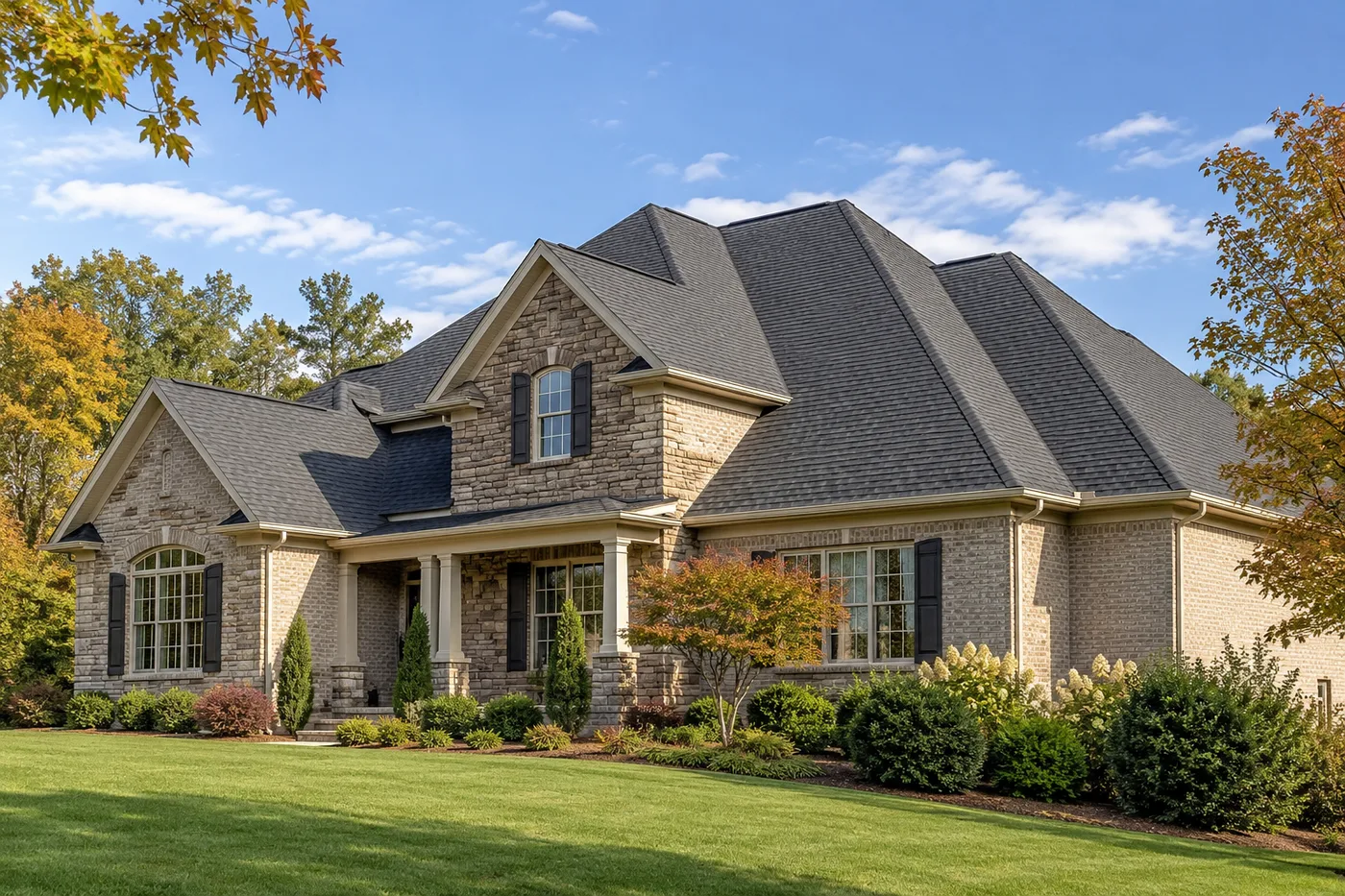
First separate a roof recover from a full replacement
A roof recover places a new covering over an existing roof covering. A full replacement removes the existing shingles, exposes the deck, repairs damaged substrate as needed, and builds the new roof from that prepared surface. Both can change the visible shingles, but they do not provide the same access to the layers below.
That difference matters when you compare estimates. A lower overlay price may exclude tear-off labor and disposal, but it also means the crew cannot inspect the entire top face of the roof deck. Flashing, old underlayment, abandoned fastener holes, and earlier repairs may remain partly concealed. The proposal should say which existing materials stay, which details will be opened, and what cannot be verified before work begins.
The Asphalt Roofing Manufacturers Association advises evaluating each roof individually. It notes that replacement provides an opportunity to inspect the deck, repair damage, and improve deck attachment, while a recover may be possible in limited conditions. That is a condition decision—not a universal rule that every one-layer roof should receive another layer.
A recover needs more than one existing layer and a low price
Start by confirming the number and type of existing roof coverings. ARMA and GAF both identify one existing layer as a threshold for considering a residential asphalt-shingle recover, subject to local requirements and the selected product instructions. If more than one roof is already in place, their guidance calls for complete tear-off.
Next, look at the surface. New shingles need a suitable, reasonably smooth base. Loose, curled, lifted, warped, missing, or badly weathered shingles can telegraph through the new roof and interfere with fastening, alignment, and sealing. Flattening a few isolated areas is different from trying to make a broadly distorted roof behave like a prepared deck.
Then evaluate what cannot be seen completely from above. The roof deck must be sound and able to retain the specified fasteners. The structure must be suitable for the additional weight. Existing ventilation, roof slope, flashing, penetrations, walls, valleys, eaves, and rakes all have to work with the proposed assembly. A contractor should not infer those conditions from the shingle color or roof age alone.
Leaks and uncertain decking usually favor tear-off
A history of extensive or repeated leaking raises the cost of leaving the old roof in place. Water can damage decking around valleys, walls, chimneys, pipe boots, vents, roof edges, and previous repairs. An attic inspection and moisture evidence can identify concerns, but insulation, low clearance, finishes, and old dry stains can limit what is known before the roof opens.
GAF advises tear-off when deck deterioration is a concern, especially when extensive leakage may have affected the substrate. ARMA likewise lists rotted or warped decking, large board gaps, a sagging roofline, and an existing surface too distorted to flatten as reasons the old roofing will likely need removal. A structural concern requires the appropriate qualified evaluation; an article or curbside photograph cannot approve added roof weight for a particular home.
Today’s Indian Trail guide to repairing damage near a ridge shows the same principle on a smaller scale: the visible cap or shingle is only one part of the assembly. A recover should not be used to hide a ridge, ventilation, underlayment, or decking condition that needs to be opened and corrected.
Product instructions can change the answer
Do not approve an overlay based only on a contractor saying that overlays are generally allowed. Ask for the exact new shingle manufacturer and product line, then review the current installation instructions and technical guidance for that product and the existing roof type. ARMA notes that some shingle designs do not lend themselves to recovering and says most manufacturers do not recommend installing new shingles over existing laminated shingles.
Manufacturer rules can address acceptable substrates, preparation, fastening, slope, underlayment, valleys, flashing, ventilation, and warranty conditions. A detail accepted for one product is not automatically accepted for another. The estimate should identify the instructions that control the proposed installation rather than relying on a generic “second layer” line item.
Applicable permit and code requirements also need current local confirmation. Do not rely on an old invoice, a neighboring roof, or an internet summary as approval for this property. Ask the contractor to state who will confirm the current requirements and how any required inspection will be handled.
Compare overlay and tear-off estimates on equal terms
Ask each contractor to price and explain the same decision points: existing-layer count; areas inspected; attic and deck limitations; shingle and accessory products; preparation of loose or uneven material; flashing and penetration work; ventilation; valleys and roof edges; fastening method; disposal; property protection; cleanup; manufacturer coverage; contractor workmanship terms; and final documentation.
For the tear-off option, add the deck-repair allowance or unit price, underlayment, leak-barrier locations, starter shingles, drip edge, flashing replacement, ridge caps, and staged photos before those layers disappear. For the overlay option, require a written list of the existing components that remain, the details that will still be opened or replaced, and every condition that would cancel the recover plan after work begins.
Do not compare only the bottom lines. One proposal may be cheaper because it preserves old layers and limits access; another may include a new water-shedding system built over a fully exposed and repaired deck. The useful comparison is cost plus what is verified, replaced, left in place, warranted, and documented.
What an Indian Trail homeowner should request before deciding
Request overview photographs of every slope and close views of worn, repaired, or leaking details. Ask for the existing-layer count, roofline and surface-condition notes, accessible attic findings, ventilation observations, and any reason the deck or structure remains uncertain. The recommendation should explain why a recover can meet the selected product requirements—or why tear-off is needed to see and restore the complete assembly.
If a recover is proposed, ask one direct question: what problem would a tear-off reveal or correct that this overlay will leave hidden? If the answer is “nothing,” the inspection record should support that confidence. If the answer includes unresolved leaks, soft areas, warped decking, failing flashing, unknown layers, or widespread distortion, the lower initial price may be avoiding the very work the roof needs.
Kaliber Roofing serves Indian Trail first with photo-documented, repair-first inspections available the same or next day subject to scheduling. The goal is not to force every roof into the same method. It is to define the existing condition, compare responsible scopes, and put the selected roof system in writing before work begins.
Related guidance
Common questions
Is a second layer of shingles always allowed when there is only one existing layer?
No. One existing layer only makes a recover worth evaluating. The roof condition, deck and structural suitability, surface smoothness, ventilation, roof details, selected product instructions, and current applicable requirements still have to support it.
Will new shingles hide an uneven old roof?
They may cover the old shingles visually, but a distorted surface can affect the appearance and performance of the new layer. Loose, curled, lifted, warped, or badly weathered material must be evaluated against the selected manufacturer’s preparation and installation requirements.
Can a roofer inspect the decking without tearing off the old shingles?
An accessible attic and limited openings can provide useful evidence, but they do not expose the entire top face of the deck. A full tear-off provides the clearest opportunity to inspect and repair the deck across every roof area before new materials cover it.
Does a roof overlay include new underlayment and flashing?
Do not assume it does. The proposal should state exactly what happens at the roof field, valleys, eaves, rakes, walls, chimneys, vents, skylights, and other penetrations. An overlay and a full tear-off may include very different access and component scopes.
Is an overlay always less expensive than tear-off?
It often has a lower initial scope because removal and disposal are reduced, but the comparison is incomplete unless it also shows what remains hidden, what components stay, what warranty applies, and what future tear-off or repair work may still be required.
Sources and editorial notes
- Asphalt Roofing Manufacturers Association guidance on replacement versus recover
- GAF homeowner and contractor guidance on placing new shingles over old shingles
- GAF technical bulletin on roofing over existing shingles
Prepared with AI assistance and editorially reviewed by Sage. General homeowner guidance; not an on-site roof, deck, structural, code, permit, product-warranty, or installation determination. Current product instructions, applicable requirements, and qualified inspection control the decision for a specific property.