Yes. Squirrels can damage an Indian Trail roof by chewing fascia, soffit, trim, vent screens, and exposed wood, or by widening a loose roof-edge gap to reach the attic. The damage can create a rain entry point, so confirm the animal is safely out first, then have the roof opening and surrounding materials inspected and repaired.
Indian Trail and Union County have plenty of mature trees, which is great until a branch becomes a bridge to the roof. A squirrel does not need a large hole. A weak soffit corner, loose vent screen, soft fascia board, or small gap beside a dormer can be enough to start.
The roof damage and the wildlife problem are related, but they are not the same job. A wildlife professional handles safe removal and exclusion. A roofer handles the shingles, flashing, roof edge, vent, fascia, soffit, decking, and water-shedding details that need to work after the opening is closed.
If branches are touching or hanging over the roof, also read our guide to overhanging tree branches and roof damage in Indian Trail.
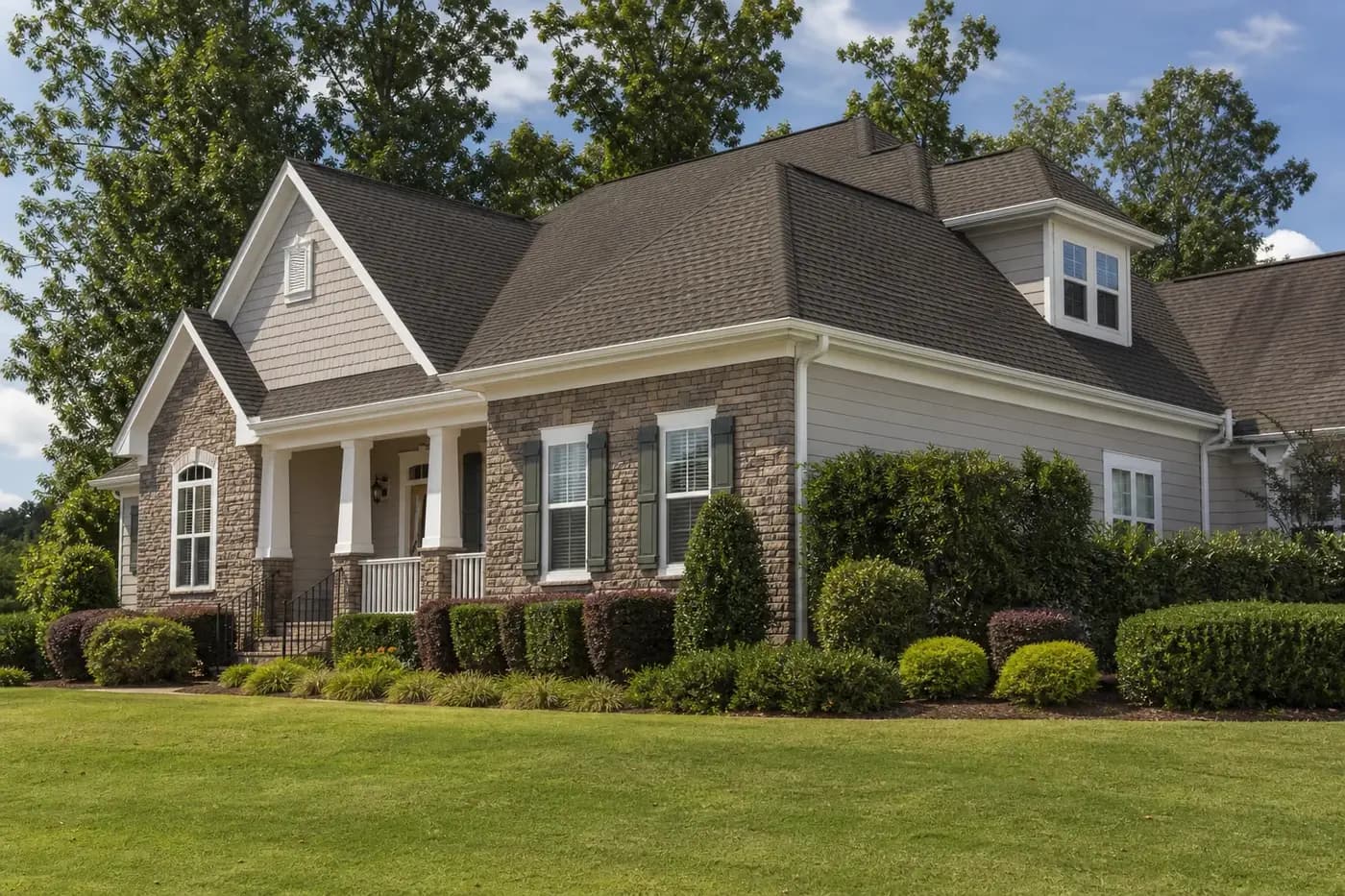
What Roof Damage Can Squirrels Cause?
Chewing is the obvious problem. Squirrels can work on wood fascia, soffit panels, trim, vent covers, and plastic or lightweight screens. If an edge is already soft from moisture, the opening can grow quickly.
They may also disturb a loose shingle edge, ridge-vent end, or flashing transition while searching for a path. The animal is often taking advantage of a pre-existing weakness rather than creating a failure from perfect materials.
Once inside, nesting can disturb insulation and block airflow near soffit vents. That does not automatically ruin a roof, but it can complicate attic ventilation and make moisture clues harder to interpret.
Warning Signs Around the Roof and Attic
Sounds are often the first clue. Squirrels are active during the day, so quick running or scratching in the morning or late afternoon fits better than the nighttime activity associated with some other animals.
Outside, look for chewed edges, a dark opening under an eave, torn mesh, shifted soffit, loose trim, or debris caught at a roof corner. Inside the attic, disturbed insulation, nesting material, droppings, daylight near an eave, or staining below the entry area can help narrow the location.
A water stain does not prove the squirrel made the leak. Wind-driven rain may be entering through a damaged roof detail nearby. Kaliber's roof repair inspection traces the roof opening and the likely water path before recommending work.
What Can You Check Safely?
Stay on the ground outside. Use phone zoom to inspect eaves, dormers, gable returns, roof vents, and places where tree branches approach the roof. Photograph anything that looks chewed, loose, open, or stained.
If attic access is safe, stay on framing and use a flashlight. Do not approach or corner an animal. Do not step on drywall. If you see an active nest or animal, back out and call a qualified wildlife professional.
Write down when you hear the activity and whether leaks appear during rain. Those two timelines help separate animal movement from a roof leak.
What Should the Repair Plan Include?
First, confirm the animal is out. Exclusion should avoid trapping wildlife or separating young from the mother. Once that step is complete, the roof repair can be planned around the real opening.
A lasting repair may involve replacing damaged fascia or soffit, installing the correct vent screen, rebuilding a small roof edge, replacing lifted shingles, correcting flashing, or repairing soft decking. Metal patches and foam alone can leave an ugly, leaky detail if the roof layers are not restored in the right order.
If water has entered, the inspection should also check insulation, sheathing, rafters, and nearby electrical components. For broader moisture concerns, see our guide to roof leaks and attic mold in Indian Trail.
Found a chewed roof edge, damaged vent, or opening near the attic?
Schedule a Free Roof InspectionHow Can You Reduce Repeat Roof Entry?
Trim branches that touch the roof and keep a practical gap where tree health and local conditions allow. Clear gutters and roof valleys so debris does not hide a weak edge. Replace rotten fascia or loose soffit instead of covering it.
Vent openings need durable, correctly installed protection that does not block required airflow. The goal is not to seal the attic airtight. It is to preserve ventilation while removing easy entry points.
After a storm, check the roof edge from the ground. Wind can loosen the exact materials a squirrel later exploits.
When Should You Call Kaliber?
Call after wildlife removal if you see damaged shingles, fascia, soffit, flashing, vents, or roof decking; if a stain appears below the entry area; or if a temporary patch is not shedding water cleanly.
Kaliber Roofing serves Indian Trail, Stallings, Matthews, Monroe, Waxhaw, Weddington, Mint Hill, and nearby Union County communities. We will document the roof condition, explain the repair scope, and keep the recommendation focused on the damage that is actually present.
Frequently Asked Questions
What roof damage can squirrels cause?
Squirrels can chew fascia, soffit, vent screens, ridge-vent components, trim, and exposed wood. They may also widen an existing gap, disturb insulation, or lift a loose shingle edge while trying to enter the attic.
How do I know if a squirrel entered through my roof?
Common clues include scratching or running sounds near sunrise or sunset, chewed wood at an eave, torn vent screens, nesting material, droppings, disturbed attic insulation, and a small opening near the fascia, soffit, dormer, or roof vent.
Should I seal a squirrel hole right away?
Do not seal an opening until a qualified wildlife professional confirms the animal and any young are out. Trapping an animal inside can create more damage. After exclusion, a roofer can repair the roof, flashing, fascia, soffit, or vent detail correctly.
Can squirrel damage make my roof leak?
Yes. A chewed roof edge, torn vent screen, opened soffit, damaged flashing, or lifted shingle can admit wind-driven rain. Water may travel before it becomes visible, so attic and roof checks should cover the area around the entry point.
Does homeowners insurance cover squirrel roof damage?
Coverage depends on the policy and the cause. Animal damage and long-term entry are often treated differently from sudden storm damage. Document the condition and ask your carrier what applies before assuming the repair is covered.
Does Kaliber Roofing repair animal-related roof damage around Indian Trail?
Kaliber Roofing can inspect and repair damaged shingles, roof edges, flashing, fascia, soffit, vents, and related leak paths after wildlife has been safely removed by the appropriate professional.
Need animal-related roof damage checked in Indian Trail?
After wildlife is safely removed, Kaliber can inspect and repair the roof opening, water path, and surrounding materials.