A roof that pops in an Indian Trail home is often reacting to temperature change: framing, roof decking, fasteners, ducts, and metal details warm and cool at different rates, then shift slightly. An occasional sound may be harmless. A new, repeated, or forceful pop—especially after wind, with a sagging roofline, or alongside a leak—needs a closer look.
The hard part is location. Sound moves through rafters and ceiling joists surprisingly well. What seems to come from the roof above a bedroom may start at a duct, pipe, attic brace, gutter, or roof-to-wall connection several feet away.
So listen for a pattern before assuming the worst. Time of day, outdoor temperature, wind, rain, and visible changes tell a better story than the noise alone.
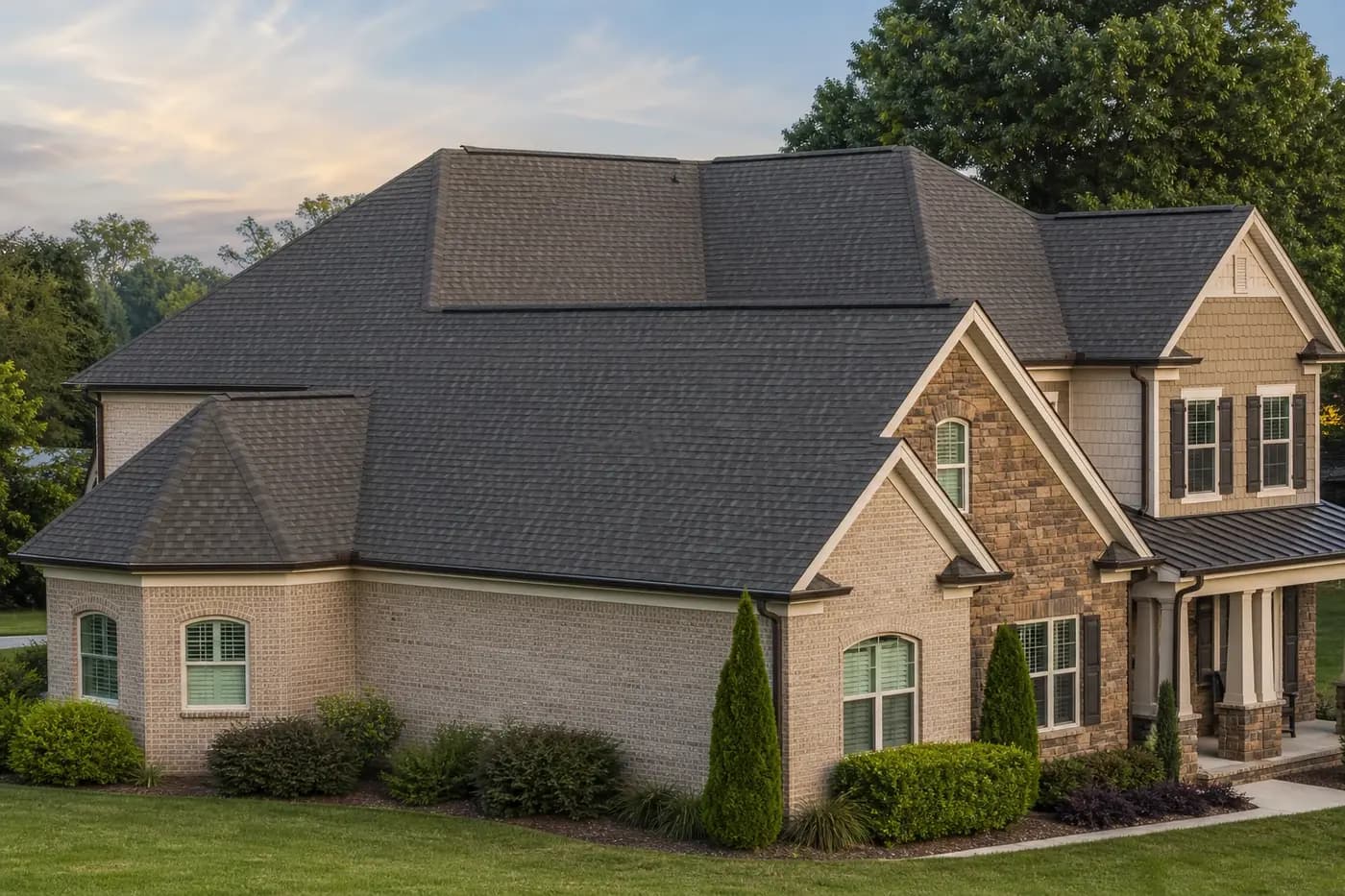
What Commonly Causes Roof Popping Noises?
Temperature movement is the first clue to consider. Sun heats shingles, decking, framing, flashing, vents, and gutters through the day. After sunset—or when a fast summer shower cools the roof—those materials change temperature at different speeds. A connection can hold briefly, shift, and make one sharp sound.
Wood framing and sheathing can also move as heat and moisture conditions change. That does not automatically mean the framing is failing. Still, repeated movement at a strained connection, damaged deck panel, or poorly supported area should not be diagnosed by sound alone.
Metal parts are another source. Flashing, gutters, downspouts, metal porch roofing, vent pipes, and HVAC ducts can tick, snap, or pop as they expand and contract. The sound may travel through the same framing that supports the roof, which makes it seem larger than the movement really is.
And sometimes it is not the roof. Plumbing lines, ductwork, attic access panels, and ceiling framing can all make noises that echo overhead. A good inspection keeps that possibility open instead of selling a roof repair that will not stop the sound.
What Can the Weather and Timing Tell You?
A pop that happens around the same time every clear evening points in a different direction from a bang that started during a windstorm. Indian Trail summers can heat a dark shingle roof for hours, then cool it quickly with a thunderstorm or after sunset. That timing makes temperature movement worth checking first.
Wind changes the list. Listen for scraping branches, rattling soffit panels, loose gutter sections, lifted metal, or repeated movement from one roof edge. After a strong Union County storm, walk the property from the ground and look for shingles in the yard, displaced flashing, hanging gutter pieces, or branches touching the roof.
Rain adds another clue. A sound alone is not proof of a leak, but a pop followed by a ceiling stain, damp attic insulation, or darkened decking should be treated as a water-entry concern. The related guide to wind-driven rain leaks in Indian Trail explains why some weak details stay dry until rain arrives sideways.
Which Warning Signs Make Roof Noises More Urgent?
Noise gets more important when something else changed. Look for a roofline that has started to dip, a ceiling crack that is growing, a door that suddenly binds, loose or missing shingles, a gutter pulling away, or a fresh interior stain. Those clues do not prove one cause, but they justify prompt inspection.
Pay attention to frequency too. One pop after a dramatic temperature drop is different from repeated banging through light wind. A sound that becomes louder, moves to a new area, or follows recent roof work should be documented with the date and conditions.
If the roof looks wavy or low in one section, do not walk it to test the surface. Read the ground-level warning signs in our guide to a wavy or sagging roof in Indian Trail, then schedule the right inspection.
What Can You Check Safely?
Start a simple log. Note the time, weather, wind, rain, indoor HVAC activity, and where the sound seemed loudest. A few entries can reveal a repeatable sunset pattern or show that the noise only happens when wind hits one side of the house.
Outside, stay on the ground. Use phone zoom or binoculars to look for shifted shingles, loose ridge caps, bent flashing, branches touching the roof, gutter gaps, and soffit panels that appear displaced. Photograph the whole roof plane first, then the detail. Context helps.
From a safe attic access, use a flashlight without stepping onto ceiling drywall. Look for cracked framing, separated connections, dark decking, damp insulation, rusty fasteners, or daylight through a random opening. Do not push on the roof deck, disturb wiring, or crawl into an area without secure flooring.
What Should a Roof-Noise Inspection Cover?
The inspection should match the sound to the building, not just glance at shingles. That means checking roof planes, ridge caps, penetrations, flashing, gutters, soffits, visible decking, and accessible attic framing. Storm timing and your noise log help narrow the search.
If the roofing is sound, the next call may be a carpenter, HVAC technician, or plumber. That is useful information. If a loose roof component, damaged decking area, or leak path is found, a focused roof repair may solve the actual defect. One unexplained pop does not justify replacing an otherwise serviceable roof.
Broader work belongs in the discussion only when the roof condition supports it—widespread deterioration, recurring leaks, compromised decking, or a system that can no longer be repaired reliably. Evidence first. Always.
When Should You Call Kaliber?
Call when the popping is new, frequent, getting louder, tied to wind or rain, or paired with a visible roof change, attic moisture, or an interior stain. Call sooner when the roofline appears to move or sag.
Kaliber Roofing serves Indian Trail first, along with Stallings, Matthews, Monroe, Waxhaw, Weddington, Mint Hill, and nearby Union County and Charlotte-metro communities. We can document the roof and attic clues, explain whether the roofing system is involved, and recommend repair only when the evidence points there.
Hearing a new pop, snap, or creak overhead?
Have the roof and accessible attic details checked before guessing at the cause.
Schedule a Free Roof InspectionFrequently Asked Questions
Is it normal for a roof to make popping noises?
An occasional pop during a sharp temperature change can come from ordinary movement in wood framing, roof sheathing, or metal components. Repeated loud noises, a new noise after a storm, or popping paired with sagging, cracks, or leaks deserves an inspection.
Why does my roof pop more at night?
Roof and attic materials cool after sunset. Wood, metal, fasteners, and connected building parts do not all change temperature at the same rate, so small movements can release as a pop or creak. The timing is a clue, not a diagnosis by itself.
Can attic heat cause roof popping sounds?
It can contribute. A hot attic and sun-warmed roof can experience a large temperature swing as evening arrives or a summer storm cools the surface. Ventilation, framing, sheathing, and metal details all need to be considered before blaming one component.
Can wind damage make a roof pop or creak?
Yes. Wind can move loose shingles, flashing, gutters, soffit panels, branches, and other exterior components. If the sound began after a Union County storm, photograph visible changes from the ground and have the roof checked rather than climbing up to find the noise.
Does a popping roof mean the decking is damaged?
Not necessarily. Popping can come from normal material movement or from another part of the house. Soft or sagging roof areas, a wavy roofline, ceiling cracks, damp insulation, or a leak make decking and framing condition more important to inspect.
When should an Indian Trail homeowner call a roofer about roof noises?
Call when the sound is new, frequent, getting louder, tied to wind or rain, or accompanied by visible roof movement, missing shingles, interior stains, a sagging line, or attic moisture. A documented inspection can separate a roof issue from HVAC, plumbing, or ordinary house movement.