If rain starts during a roof replacement in Indian Trail, the crew should stop opening the roof, secure the work area, and protect exposed decking with a planned dry-in or temporary weather covering. Once the weather clears, the contractor should remove standing water, inspect the deck and underlayment, replace anything damaged, and confirm the assembly is ready before covering it with shingles. A passing shower does not automatically ruin the roof. Trapping moisture or continuing as if nothing happened is the real concern.
Summer weather around Indian Trail can change quickly. A clear morning can turn into a short afternoon downpour, and one neighborhood may get rain while another stays dry. That is why a roof replacement plan needs more than a quick look at the forecast.
The useful question is not, “Can anyone guarantee a rain-free day?” Nobody can. Ask how much roof the crew opens at once, what makes the roof watertight at the end of each work stage, and what happens if the sky changes faster than expected.
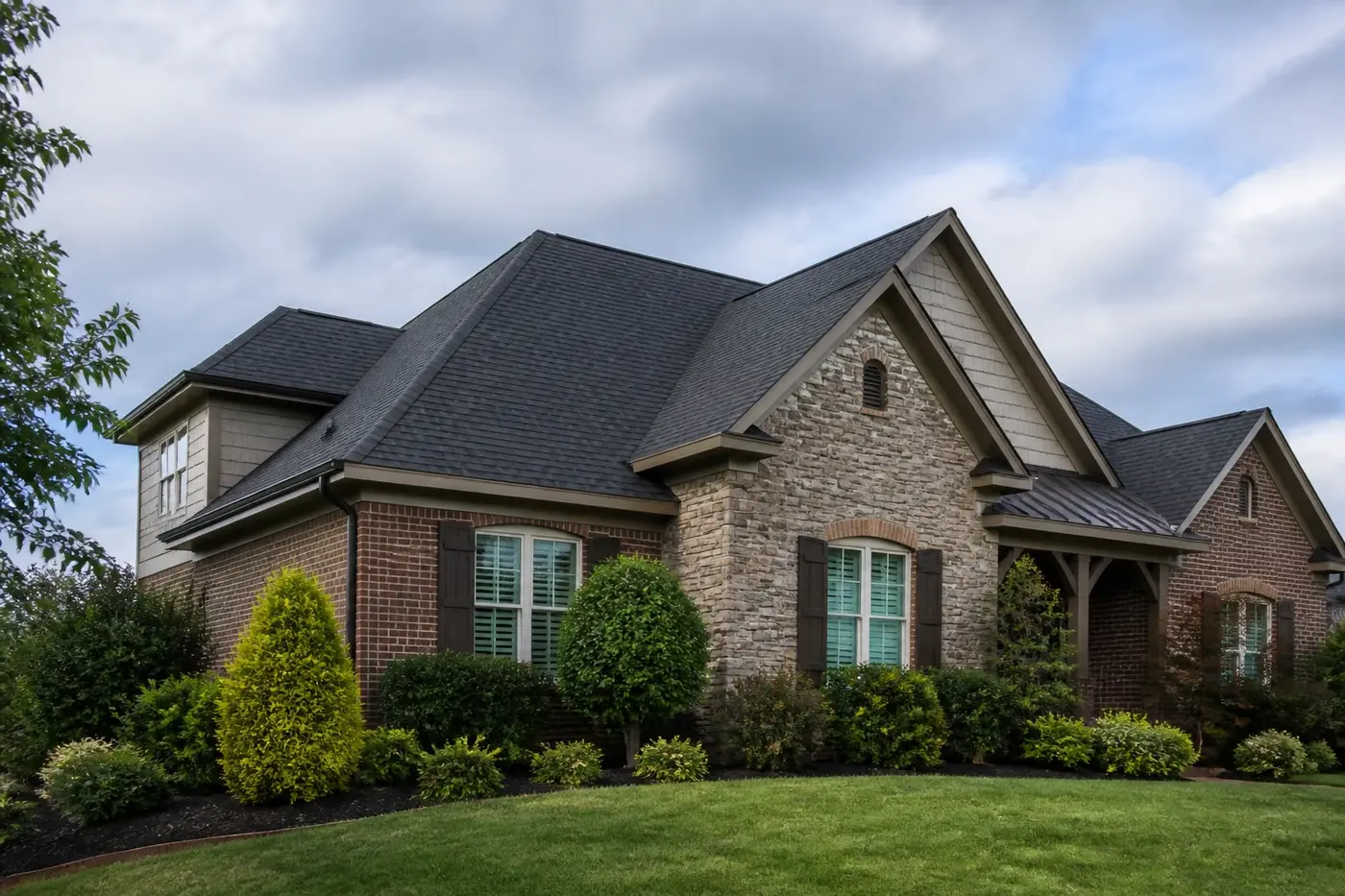
How Should a Roofer Plan Before Tear-Off?
Forecasts are the first filter, not the whole plan. The production lead should consider rain probability, storm timing, wind, temperature, roof size, pitch, crew size, material staging, and how long it takes to reach a protected stopping point. A large, cut-up roof with several valleys and wall transitions cannot be managed like one small open slope.
Good sequencing matters. Rather than stripping every slope because the morning looks pleasant, a crew can work in sections that are realistic to inspect, prepare, and dry in. The goal is to avoid leaving bare decking dependent on hope.
Materials need protection too. Bundles, underlayment, accessories, fasteners, and equipment should be staged so water cannot collect around them or soak packaging and vulnerable components. The contractor should also keep drainage paths clear instead of blocking gutters or roof edges with loose material.
Ask where the crew expects to stop if weather moves in. A confident answer names the section, the protective layer, and the person responsible for checking it. Our guide to roof replacement timing in Indian Trail explains why roof complexity and weather can extend a job beyond the original working-day estimate.
What Should Happen When Rain Starts?
First, the crew stops creating new exposure. Loose shingles, wrappers, tools, and other materials should be secured without asking workers to take unsafe risks on a wet slope. The active section then gets protected according to the stage it has reached.
If sound underlayment has already been installed and integrated correctly at edges and transitions, it may provide the planned temporary water-shedding layer. If the deck is still bare, the crew may need a secured temporary covering arranged to drain water off the roof—not funnel it beneath the tarp, into a valley, or behind siding.
Details make the difference. A broad sheet over the middle of a slope does not solve open conditions at a chimney, wall, dormer, pipe, valley, or eave. Water follows gravity, but wind can push it sideways and uphill beneath loose edges. Protection has to account for the whole path.
Inside the home, you should stay clear of active work areas and watch for new moisture from a safe location. If water appears near a light fixture, ceiling fan, outlet, or electrical panel, do not touch it. Report it immediately and keep people away from the area until the appropriate professionals assess the hazard.
What Does “Dry-In” Mean, and What Must Be Checked Afterward?
Roofers use “dry-in” to describe reaching a protected water-shedding stage before the finished shingles are complete. On an asphalt-shingle project, that usually centers on prepared decking and the specified underlayment, with careful treatment of roof edges, valleys, walls, penetrations, and other vulnerable locations.
Dry-in is a system, not a magic sheet. Underlayment that is loose, torn, poorly lapped, or open around a pipe does not become reliable because someone calls it dry. The installation sequence and transitions matter just as much as the field material.
After rain, the crew should inspect before resuming. Standing water must be removed. Wet or damaged temporary material may need replacement. Decking should be checked for soft areas, swollen edges, delamination, distortion, or other changes that could affect fastening and a flat finished surface.
A little surface moisture and a damaged deck are not the same thing. Neither should be guessed at from the driveway. The contractor needs to evaluate the actual wood, the duration and amount of exposure, and the roofing product requirements. Covering questionable conditions simply hides the evidence.
If tear-off exposes weak wood unrelated to the rain, that belongs in the documented decking process too. Read our guide to roof decking replacement in Indian Trail for the difference between sound sheathing that can stay and sections that need repair.
Can Wet Conditions Affect Underlayment, Shingles, or the Schedule?
Yes. Roofing materials are designed to manage weather after correct installation; that does not mean every component should be installed onto a wet or unstable surface. Wet decking can interfere with inspection and fastening. Trapped water can remain beneath layers. Damp, wrinkled, or damaged underlayment may no longer provide the flat, continuous base the crew needs.
Asphalt shingles also need appropriate installation conditions and time for their sealant strips to bond. The roofer should follow the specific product instructions rather than forcing progress to recover a few lost hours.
Sometimes the right answer is to wait. That may push completion into the next working day, especially when the roof needs time to dry or another storm band is approaching. Annoying? Sure. Still better than burying a preventable problem beneath a brand-new roof.
The written agreement should explain weather delays and communication. It should also separate a normal schedule adjustment from paid change-order work. If rain reveals or causes a condition that changes the scope, the contractor should photograph it, explain the repair, and get approval under the contract terms before adding charges.
For a closer look at the layer beneath the shingles, see our Indian Trail guide to new underlayment during roof replacement.
What Should an Indian Trail Homeowner Ask Before Work Begins?
Keep it practical. Ask how the company monitors the forecast, who makes the stop-work call, and how much roof the crew normally opens at one time. Then ask what “dried in” means for your particular roof. A simple gable and a home with multiple dormers, valleys, and roof-to-wall transitions do not have the same vulnerable points.
Ask where materials will be stored, how open sections are protected, and what happens if a temporary covering moves or leaks overnight. Find out who you call after hours and how quickly the crew can respond.
One more question is worth asking: “If part of the roof gets wet, how will you show me it is ready to cover?” Photos of the protected section, notes about any material replaced, and a plain-English explanation of the moisture check create a much better record than “it should be fine.”
Finally, look for the weather process in the proposal. Our checklist of questions to ask before hiring an Indian Trail roofer covers scope, materials, hidden decking, warranties, cleanup, change orders, and payment alongside weather planning.
Planning an Indian Trail roof replacement around uncertain weather?
Kaliber Roofing can inspect the roof, explain the replacement sequence, and put the weather-protection plan in clear terms before tear-off begins.
Schedule a Free Roof InspectionFrequently Asked Questions
Can roofers work while it is raining?
Roofers should not keep opening or installing exposed asphalt-shingle roofing in active rain. Wet surfaces raise slip risks, moisture can reach the deck and attic, and roofing materials need suitable conditions for correct installation. The crew should stop at a controlled point and protect any open section.
Will one rain shower ruin exposed roof decking?
Not automatically. A brief wetting does not prove the deck is ruined, but the wood should be inspected and allowed to dry enough for the roofing system and fasteners before it is covered. Swelling, delamination, soft spots, standing water, or trapped moisture require closer attention.
What does it mean to dry in a roof?
Dry-in means creating a temporary or permanent water-shedding layer over prepared roof decking, usually with the specified underlayment and completed protection at vulnerable transitions. It is not the same as a finished roof, and loose tarps alone are not a substitute for a planned dry-in sequence.
Should shingles be installed over wet underlayment or decking?
No roofing layer should simply hide trapped moisture. The contractor should follow the roofing material requirements, inspect the deck and underlayment, remove standing water, replace damaged material where needed, and confirm suitable conditions before installation resumes.
Does a rain delay change the roof replacement price?
An ordinary weather delay should be addressed by the contract and schedule rather than treated as hidden extra work. Price can change if inspection reveals damaged decking or other conditions outside the original scope, but those changes should be documented and approved under the written change-order terms.
What should I check inside after rain interrupts roof work?
From a safe interior location, look for new ceiling spots, drips, damp attic insulation, or moisture near lights and electrical equipment. Do not enter an active work zone or touch wet electrical fixtures. Report any sign immediately so the contractor can trace it before covering the roof.