Replacement shingles may come close, but an invisible match is not guaranteed. The original product, color code, production differences, and years of weathering all affect the result. For an Indian Trail roof repair, confirm material compatibility first, compare an actual sample when available, and agree on the likely appearance before work begins. A color difference by itself does not establish that an otherwise sound roof needs replacing.
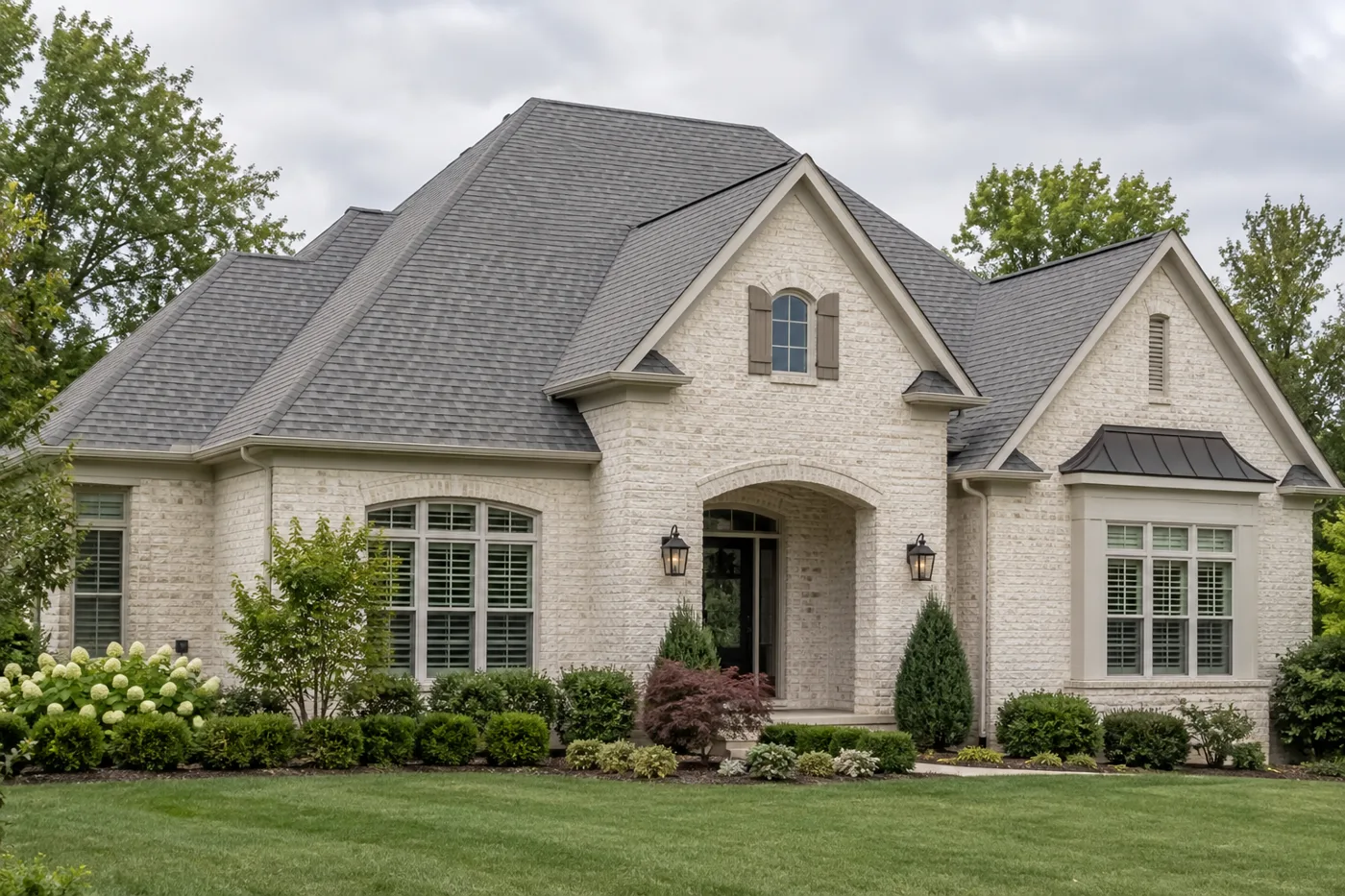
A matching color name is only the starting point
Two bundles labeled gray can have different granule blends, shadow patterns, dimensions, and profiles. Even a familiar manufacturer color name may be used across different shingle families. Ask the roofer to identify the manufacturer, product line, color name, and identifying code rather than choosing the nearest-looking bundle at a store.
GAF's shingle-color-code guidance explains that production information helps identify replacement material and that existing shingles change through weathering, granule loss, and fading. That is why a new sample can look darker or sharper than the surrounding roof even when the product identification is correct. Do not lift shingles yourself to look for markings; leave material identification and safe access to the roofer.
Separate appearance from a repair that works
Color is not the same as compatibility. The replacement has to work with the existing shingle dimensions, exposure, fastening, surrounding courses, and installation requirements. A close visual match that cannot be integrated properly is not a good repair choice.
Ask for two separate answers: Can the affected area be repaired reliably, and how visible is that repair likely to be? The first answer depends on the roof's condition and the proposed assembly. The second depends on material availability, aging, location, light, and viewing distance. Keeping those questions separate prevents an appearance concern from being mistaken for proof of roof-wide failure.
Compare the sample where you will actually see it
An indoor sample or phone screenshot is a weak color reference. When practical, ask to see an actual sample in daylight and compare it from the yard at a normal viewing distance. A patch near a prominent front slope may be more noticeable than one on a less visible roof plane. Different sunlight and wetness can change the impression, so one photograph is not a promise of the final appearance.
Useful records include the original invoice, leftover bundle wrapper, product label, and installation date. An HOA may also have appearance requirements, but a neighborhood color approval does not identify the exact material already installed. Confirm any applicable approval process before agreeing to a visibly different product.
If the original shingle is unavailable
Ask the contractor to document what was identified, which replacement options were checked, and why the proposed option is suitable. The choices may include an available compatible material, a different repair boundary, or broader work if the roof's condition makes a localized repair impractical. Each option should describe both its technical scope and its appearance tradeoff.
Do not assume a discontinued color automatically requires full replacement or guarantees an insurance payment. Coverage and any matching provisions depend on the policy and circumstances. Request written explanations from the appropriate insurer or qualified adviser rather than relying on a general roofing article.
Avoid promises that a patch will become invisible after a particular number of weeks. Weathering is not a controlled color-matching process. Agree to an honest expectation now instead of relying on an uncertain future blend.
Put the material decision in the repair scope
Before authorizing work, record the product and color being proposed, the repair location, what will be removed, and any known appearance limitation. Ask for an overview photograph after completion as well as close-up repair photos. Those records help distinguish the agreed material choice from a later concern about workmanship.
Kaliber offers same-day or next-day inspections subject to scheduling. Start with an Indian Trail roof-repair inspection so the recommendation is based on the affected area and the surrounding roof—not color alone.
Related guidance
Common questions
Will a new shingle patch fade to match?
It may change as it weathers, but an exact match or a specific blending timeline should not be promised.
Should I replace the roof only because the repair will show?
Not automatically. Compare roof condition, repairability, appearance preferences, and the cost and scope of the alternatives separately.
What should I give the roofer to help identify my shingles?
Share the original roofing invoice, product labels or bundle wrappers, installation date, and existing photos if you have them. Do not climb onto the roof or remove material yourself.
Sources and editorial notes
Prepared with AI assistance and editorially reviewed by Sage. General homeowner guidance; not a diagnosis, contract interpretation, or insurance determination for a specific property.