Yes, torn roof underlayment can often be repaired without replacing the whole roof when the damage is confined and the surrounding shingles, deck, flashing, and underlayment provide a sound place to end the work. A dependable repair is not a surface smear of roof cement. The roofer normally has to remove enough shingles to expose the tear, confirm that the deck is dry and sound, install compatible replacement underlayment in the correct water-shedding sequence, and rebuild every disturbed shingle or flashing detail. The tear’s location matters: a small field repair is different from damage in a valley, at an eave, beside a wall, or through a self-adhered membrane.
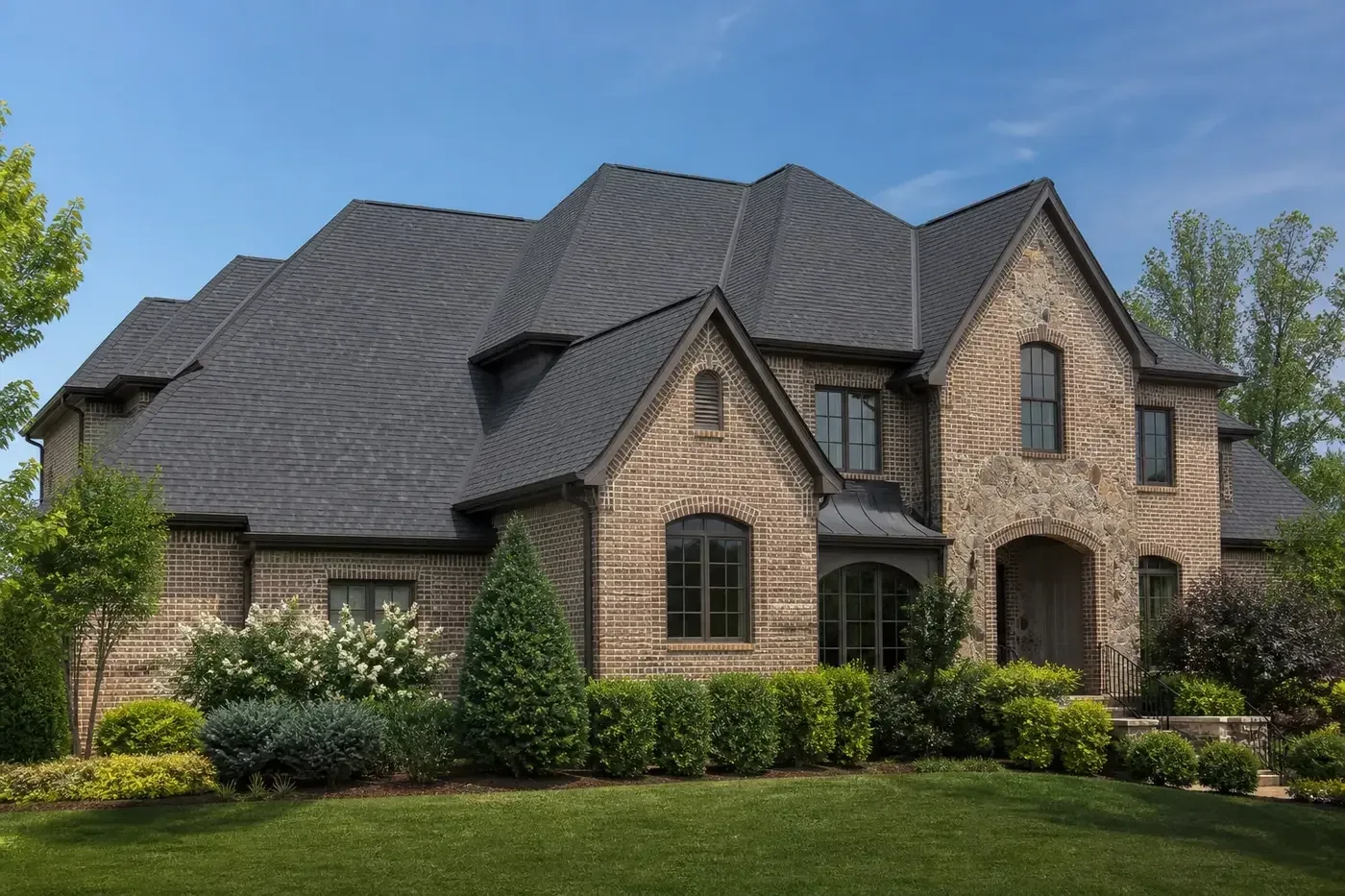
A torn hidden layer requires opening the roof above it
Underlayment sits between the roof deck and the asphalt shingles. It is a secondary water-shedding layer, while the shingles remain the exposed roof covering. Because the tear is hidden, it cannot be repaired correctly from the attic or by coating the top of intact shingles.
The Asphalt Roofing Manufacturers Association explains that an asphalt-shingle system is made of repairable components, including underlayment, starters, field shingles, and hip and ridge caps. Sealed shingles can often be separated over a limited area so a qualified roofer can reach the failed component. That repairability is useful, but it does not mean every tear can be reached without affecting nearby material.
A roofer first needs to identify why the underlayment tore. Wind may have removed shingles and pulled material around fasteners. A branch or other impact may have crossed the shingles, underlayment, and deck. An earlier repair may have left an open cut, wrinkle, misplaced fastener, or poorly integrated flashing. Fixing the sheet without correcting the cause leaves the same water path in place.
The repair boundary depends on where the tear is located
A small tear in the open field of a steep asphalt-shingle slope may support a focused opening when the surrounding shingles remain flexible and the deck below is sound. The repair still has to extend far enough to create dependable side and end laps with intact underlayment. A patch placed only over the visible slit, with no room to layer it correctly, is not the same repair.
Valleys, eaves, roof-to-wall joints, slope changes, and penetrations need more caution because they collect or redirect water. Those areas may contain self-adhered membrane, valley lining, step flashing, pipe flashing, or other components that must overlap one another in a particular order. Opening only the tear can be too narrow if the new underlayment cannot connect to the adjoining drainage detail.
Low-slope asphalt-shingle sections also have different underlayment requirements from steeper slopes. The 2024 North Carolina Residential Code calls for underlayment to be installed in a shingle-fashion sequence and specifies larger coverage for asphalt-shingle slopes from 2:12 up to 4:12. The current code, the actual roof slope, and the selected product instructions should be checked for the house rather than reduced to one universal patch size.
What a permanent underlayment repair should restore
The work begins by releasing and removing enough shingles to expose the complete damaged area without creating uncontrolled cracks around it. The contractor should inspect the sheathing for softness, swelling, delamination, open seams, old holes, and lost fastener-holding strength. Wet or damaged decking has to be addressed before another layer covers it.
Next comes the underlayment itself. Loose fragments, wrinkles, and compromised material should not be trapped under the repair. Compatible new material must lie flat on a prepared surface, connect to sound material, and overlap so runoff continues toward the eave rather than into a cut edge. Fastening, side laps, end laps, and treatment around any nearby opening should follow the underlayment and roof-covering instructions applicable to the assembly.
The roofer then rebuilds the exposed roof covering. Damaged shingles should be replaced; removed fasteners should not simply be driven back into old holes; and shingles whose seal bonds were disturbed may need product-approved hand sealing. Flashing must be restored as part of the same water-shedding path. Progress photographs should show the deck, the completed underlayment tie-in, and the finished shingles before the repair is treated as closed.
Self-adhered membrane can change the repair method
Self-adhered underlayment is commonly used in vulnerable locations because it bonds to the roof deck and seals around fasteners. That bond can make removal more difficult than lifting a mechanically fastened sheet. Pulling it aggressively may damage the deck surface or leave an uneven base.
ARMA recommends removing self-adhered underlayment when it can be removed without damaging the deck. When one existing layer cannot be removed safely, another layer may be permissible only after checking the membrane manufacturer and applicable code; ARMA also recommends offsetting laps and feathering new material onto bare deck to reduce drainage and thickness problems.
That is why “we will patch the paper” is not a complete scope. The proposal should identify the material if known, describe how the existing membrane will be handled, and explain what happens if the opening reveals deck damage or a larger failed area. The detail may be small, but the decision is product- and location-specific.
When the repair should become larger than the visible tear
A focused repair becomes unreliable when the surrounding shingles crack during careful access, the underlayment is deteriorated or incorrectly installed across a wider area, or the deck will not provide a sound fastening surface. Several leak paths, repeated surface patches, widespread wrinkles, and moisture extending beyond the planned opening also support a broader scope.
Broader does not automatically mean every roof slope. The responsible boundary may be several shingle courses, a complete valley, one roof detail, or one roof plane. The contractor should show where sound layers begin and how the new work will terminate. That evidence is more useful than calling the entire roof bad because one hidden tear was found.
Kaliber Roofing uses a repair-first approach and provides a one-year warranty for the roof-repair work it performs. That workmanship coverage applies to the defined Kaliber repair, not unrelated aging elsewhere on the roof, and it remains separate from manufacturer material coverage. The written scope and warranty for the actual project control.
What Indian Trail homeowners should ask before approving the repair
Ask the estimate to identify the suspected tear location, the roof area being opened, shingles and flashing being removed, underlayment type, planned tie-in, deck inspection, concealed-damage process, material matching limits, cleanup, photographs, and written coverage. If the boundary may expand, require the approval and pricing method before additional work is covered.
From the ground, photograph the whole slope and any missing, lifted, cracked, or previously patched shingles. Indoors, preserve the rain timeline and photos of stains before repainting. If the attic has a safe walkway, note moisture patterns without touching wet insulation or stepping between joists. Do not lift shingles or walk the roof to search for the tear.
Kaliber serves Indian Trail first, with same-day or next-day inspections available subject to scheduling. A focused inspection can connect the rain pattern, attic evidence, exterior defect, hidden-layer condition, and smallest dependable repair boundary before the roof is opened.
Related guidance
Common questions
Can roof cement seal torn underlayment through the shingles?
No. Roof cement applied on top of intact shingles cannot restore a hidden tear or its required laps. Sealant may belong in specific manufacturer-approved joints, but a lasting underlayment repair normally requires opening the roof covering and rebuilding the affected layers.
Do all the shingles above torn underlayment need replacement?
Not automatically. The roofer needs enough access to expose the damage and create a dependable tie-in. Shingles that remain sound and can be handled according to their instructions may sometimes stay, while cracked, punctured, creased, or otherwise damaged pieces should be replaced.
Can torn underlayment be repaired from inside the attic?
An attic inspection can help trace moisture and show the deck condition, but it does not recreate the exterior water-shedding laps. Permanent work normally has to be completed from the roof side after the shingles over the damaged area are opened.
Does torn underlayment mean the roof deck is damaged?
No. A tear can exist over sound decking, but water may have reached the wood. The exposed deck should be checked for moisture, softness, swelling, delamination, holes, and fastener-holding strength before new underlayment covers it.
Does one underlayment tear require a full roof replacement?
Usually not. Replacement becomes more reasonable when damage is widespread, several areas leak, surrounding shingles cannot be worked without breaking, or no sound underlayment and roofing boundary can be reached.
Sources and editorial notes
- Asphalt Roofing Manufacturers Association guidance on repairable asphalt-shingle roof components
- Asphalt Roofing Manufacturers Association technical guidance on steep-slope underlayment
- Asphalt Roofing Manufacturers Association guidance on self-adhered underlayment removal and tie-ins
- 2024 North Carolina Residential Code provisions for roof assemblies and underlayment
Prepared with AI assistance and editorially reviewed by Sage. General homeowner guidance; not an on-site diagnosis, product-specific installation approval, code or warranty determination, or substitute for evaluation by the appropriate qualified professional.