Yes, you should get a roof inspection after a hail storm in Charlotte NC if hail hit your neighborhood, even when the roof is not leaking yet. Hail damage can bruise shingles, knock granules loose, dent roof vents, and weaken the roof surface long before water shows up inside. A quick inspection gives you proof, a repair plan, or peace of mind.
Here is the catch: the worst hail damage is often boring to look at from the driveway. No dramatic hole. No waterfall through the ceiling. Just tiny bruises in asphalt shingles, dinged soft metals, and granules washing into the gutters after the next rain. Then, months later, the leak appears.
Kaliber Roofing inspects storm damage across Charlotte, Huntersville, Cornelius, Matthews, Mint Hill, Indian Trail, Ballantyne, Pineville, Weddington, Stallings, Monroe, Waxhaw, Concord, Midland, and nearby areas. If hail moved through your block, this is the order I would follow before deciding whether to call insurance or ignore it.
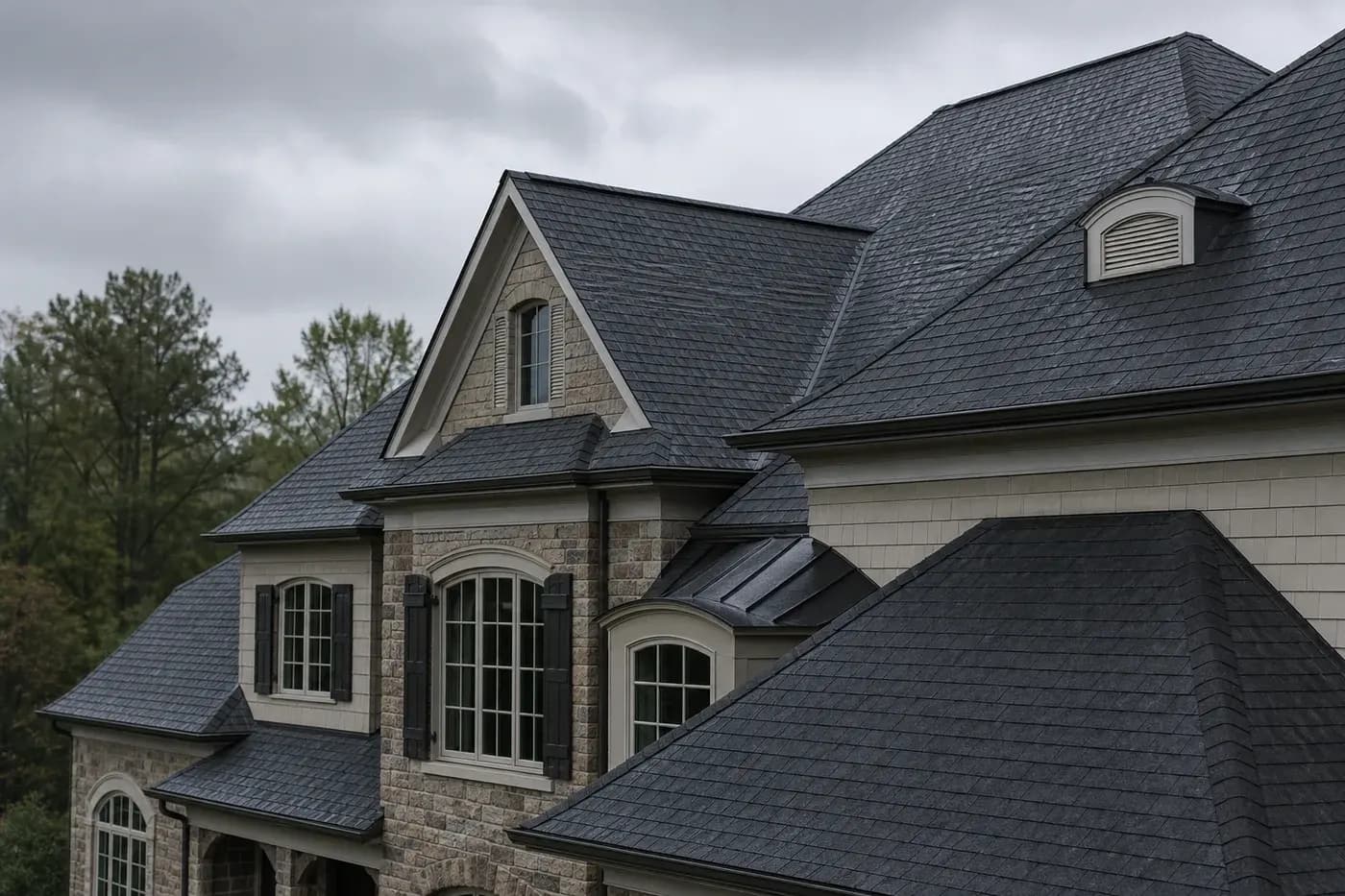
Why a Hail Roof Inspection Matters
Hail does not have to punch a hole through the roof to create a problem. On asphalt shingles, hail can bruise the mat underneath the granules. That bruise weakens the shingle, exposes asphalt to sun faster, and shortens the roof life. Sometimes the shingle looks fine until you press the spot and feel the soft impact mark.
That is why a real inspection is different from a quick look from the driveway. The contractor checks the roof surface, the direction the storm came from, the soft metal around the roof, and the inside of the home when leaks or stains are suspected. Put together, those clues tell you whether the roof just took cosmetic weathering or meaningful storm damage.
For Charlotte homeowners, the timing matters because spring and summer storms can stack up. One hail event bruises the shingles. Two weeks later, wind-driven rain finds the weak spot. By then, documentation gets messier.
Signs You Can Check From the Ground
Do the safe checks first. Walk around the home after the storm has passed and the yard is clear. Do not get on the roof. You are looking for signs that hail struck the property hard enough to justify a professional storm damage roof inspection.
- Dented gutters, downspouts, metal vents, or metal trim.
- Torn window screens, dented AC fins, or fresh marks on painted metal.
- Granules collecting near downspouts, patios, or driveway edges.
- Missing, lifted, folded, or cracked shingles you can see from the yard.
- Damaged ridge caps or debris sitting on roof slopes.
- New ceiling stains, attic moisture, or damp insulation after the storm.
Take wide photos and close photos. The wide photo shows where the damage sits on the property; the close photo shows the actual impact. Honestly, that little habit saves a lot of confusion later.
Hidden Hail Damage You Might Miss
The big mistake is assuming no leak means no damage. Hail can loosen granules without opening an immediate path for water. It can also damage ridge caps, pipe boots, vents, and flashing details that already had a little age on them. The next hard rain exposes the weakness.
On newer roofs, hail damage may be isolated and repairable. On older roofs, the same storm can push brittle shingles past the point where spot repair makes sense. That is where a repair-first inspection matters. Kaliber does not need every inspection to turn into a replacement. Sometimes the right answer is a small roof repair, a few photos for your records, and watching the roof after the next storm.
But if multiple slopes show hail bruising, soft metals are dented, and the shingle field is losing granules, the conversation changes. At that point, the roof may need insurance documentation or a broader replacement discussion.
Hail hit your neighborhood?
Request a Free InspectionWhy Documentation Matters Before You Call Insurance
You can file a claim first. Plenty of homeowners do. Still, I prefer getting the roof documented before you make that call, especially if you are not sure whether the storm damage is real. A contractor inspection helps you understand whether the damage pattern supports a claim or whether you are dealing with age, wear, or one small repair item.
Insurance companies look for storm-related evidence: hail hits on shingles, collateral damage to soft metals, interior water entry, wind damage, and damage patterns that match the date and direction of the storm. They usually do not cover old wear, poor installation, previous leaks, or maintenance problems that finally showed up during bad weather.
If the inspection supports a claim, insurance restoration documentation should include photos, slope locations, collateral damage, interior findings, and a clear repair or replacement scope. If it does not support a claim, that is useful too. You avoid opening a weak claim and can choose the right repair path.
How Soon Should You Schedule the Inspection?
Schedule within a few days if hail was obvious, neighbors are calling roofers, or you see dents, granules, missing shingles, or stains. If water is actively entering the home, treat it like an urgent leak and ask about emergency tarping before the next storm system comes through.
Charlotte-area storms can hit neighborhoods unevenly. Ballantyne may get pea-sized hail while Weddington gets larger stones. Huntersville and Cornelius can see fast lake-area storm cells. Waxhaw, Monroe, Midland, and Indian Trail can get strong wind with hail mixed in. So do not rely only on what happened across town. Check your actual property.
And no, you do not need to panic. Just do not wait months. Fresh documentation is cleaner, roof conditions are easier to connect to the storm, and small leaks are cheaper before they reach drywall, insulation, and flooring.
What Kaliber Checks During a Hail Inspection
A useful inspection should give you a straight answer, not a scare tactic. Kaliber checks the full roof system and the surrounding property so the recommendation matches the evidence.
- Shingle bruising, granule loss, cracks, lifted tabs, and exposed asphalt.
- Ridge caps, pipe boots, vents, valleys, wall flashing, and chimney flashing.
- Gutters, downspouts, soft metals, window screens, siding, and AC fins.
- Attic moisture, wet insulation, decking stains, and interior ceiling marks when accessible.
- Roof age, shingle condition, previous repairs, and ventilation concerns.
- Whether repair, replacement, insurance documentation, or monitoring makes the most sense.
The bottom line is simple: after hail, you want proof. If the roof is fine, great. If it needs a targeted repair, fix it early. If the damage is widespread enough for a roof replacement conversation, you want the photos and facts before anyone starts guessing.
Frequently Asked Questions
Should I get a roof inspection after hail if I do not see a leak?
Yes, especially if hail hit your neighborhood directly. Hail damage can bruise shingles, crack the mat, loosen granules, or dent vents without creating an immediate leak. A roof-level inspection confirms whether the roof is fine, repairable, or worth documenting for insurance.
Can I see hail damage from the ground?
You can sometimes see warning signs from the ground, such as dented gutters, missing shingles, torn ridge caps, damaged screens, or piles of granules near downspouts. Actual shingle bruising usually requires a safe roof-level inspection.
How fast should I schedule a roof inspection after hail in Charlotte?
Schedule within a few days if the storm was severe, hail was larger than pea size, neighbors are reporting damage, or you notice leaks, dents, missing shingles, or granule loss. Quick documentation is stronger than photos taken weeks later.
Will homeowners insurance cover hail damage in North Carolina?
Insurance may cover hail damage when the damage comes from a covered storm event and the roof documentation supports the claim. Coverage depends on your policy, deductible, roof age, and whether you have replacement cost or actual cash value coverage.
What should a hail damage roof inspection include?
It should include photos of shingles, soft metals, vents, ridge caps, gutters, flashing, valleys, interior stains, attic moisture, and any storm indicators around the property. You should get a clear repair, replacement, or monitor recommendation.
Does Kaliber inspect hail damage outside Charlotte?
Yes. Kaliber Roofing serves Charlotte, Huntersville, Cornelius, Matthews, Mint Hill, Indian Trail, Ballantyne, Pineville, Weddington, Stallings, Monroe, Waxhaw, Concord, Midland, and nearby communities.
Want the roof checked before the next storm?
Kaliber Roofing will inspect it, document what we find, and tell you whether repair, replacement, insurance documentation, or no action makes sense.