Most Charlotte NC homeowners should have a professional roof inspection once a year, plus after severe wind, hail, falling limbs, or any new leak sign. If your roof is older than about 12 to 15 years, has heavy tree cover, or has already needed repairs, you may need inspections every 6 to 12 months instead of waiting for an annual check.
That is the simple answer. The better answer is a little more practical: inspect often enough to catch cheap problems while they are still cheap. A cracked pipe boot, lifted shingle, loose flashing detail, or clogged valley is not fun, but it is usually manageable when found early. Let it sit through a few Charlotte storms and now you may be talking about wet decking, stained drywall, insulation damage, and an insurance question nobody wanted.
Kaliber Roofing handles documented roof inspections, roof repair, storm damage checks, and roof replacement planning across Charlotte, Huntersville, Cornelius, Matthews, Mint Hill, Indian Trail, Ballantyne, Pineville, Weddington, Stallings, Monroe, Waxhaw, Concord, Midland, and nearby communities. Here is how to time your inspection without overthinking it.
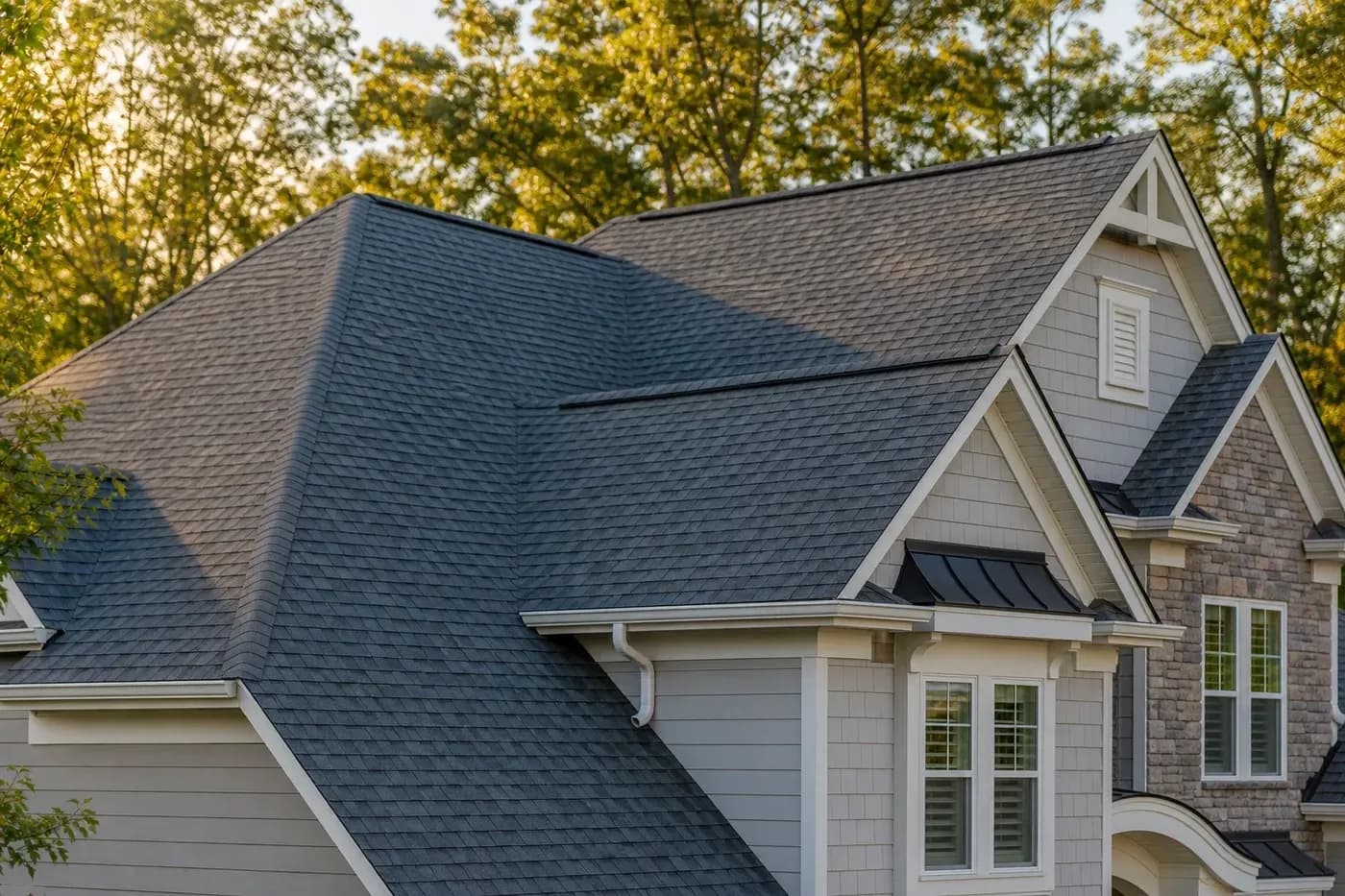
Is Once a Year Enough for a Roof Inspection?
For many homes, yes. An annual roof inspection is enough when the roof is newer, the attic is ventilated properly, the shingles are still flexible, and you are not seeing leaks or storm damage. Local roof inspection pages around Charlotte commonly recommend at least one professional inspection per year, often in spring or fall, because those windows catch seasonal damage before it stacks up.
Spring inspections are useful after winter temperature swings, heavy rain, and early storm systems. Fall inspections are useful before leaf debris piles into valleys and gutters. Either window can work. The main thing is consistency.
I would not treat the calendar like a magic shield, though. A roof can pass inspection in March and still take hail in June. Annual maintenance is the baseline. Weather, age, and visible symptoms decide whether you move sooner.
When Should You Inspect After a Storm?
You do not need to call a roofer after every normal rain. Charlotte gets too many rainy days for that to make sense. But after hail, strong wind, falling limbs, tropical storm remnants, or a storm that has neighbors replacing shingles, it is worth getting the roof documented.
Storm damage is sneaky. Wind can lift shingles without removing them. Hail can bruise the mat under the granules without creating an instant leak. A limb can loosen flashing even if it does not puncture the roof. That is why a post-storm storm damage roof inspection is about evidence, not panic.
If water is actively entering the home, move faster. Protect the room, avoid electrical hazards, photograph what you can safely see, and ask about emergency leak control before the next band of rain moves through.
How Often Should Older Roofs Be Checked?
Once an asphalt shingle roof hits about 12 to 15 years old in North Carolina, annual inspections matter more. By 18 to 20 years, I would rather see a homeowner check the roof every 6 to 12 months than wait for a ceiling stain to make the decision urgent.
That does not mean every older roof needs replacement. Some roofs age gracefully. Others get cooked by poor attic ventilation, shaded by trees, beaten up by hail, or patched too many times around the same leak point. The inspection should separate normal aging from a problem that needs action.
| Roof Situation | Inspection Rhythm | Why It Matters |
|---|---|---|
| Newer roof, no symptoms | Every 1 to 2 years, plus storms | Confirms installation details and catches early flashing issues. |
| Typical asphalt roof | Once a year | Finds small repairs before water reaches decking. |
| 12 to 15+ years old | Every 6 to 12 months | Tracks brittle shingles, granule loss, and recurring leak points. |
| After hail, wind, or fallen limbs | Prompt inspection | Documents fresh damage before conditions change. |
If you are already asking whether a 20-year-old roof has another season left, the roof deserves a closer look. Sometimes the answer is repair and monitor. Sometimes it is time to plan replacement before the interior gets involved.
Want a clean read on your roof before storm season gets busy?
Request a Free InspectionWhat Should a Roof Inspection Include?
A useful inspection is not a 30-second glance from the driveway. It should give you a clear reason for the recommendation. Kaliber looks at the roof surface, roof edges, penetrations, drainage, flashing, ventilation clues, attic or interior evidence when accessible, and storm indicators around the property.
- Missing, lifted, curled, cracked, blistered, or brittle shingles.
- Granule loss in gutters, downspout areas, valleys, and shingle fields.
- Pipe boots, vents, ridge caps, wall flashing, chimney flashing, and skylight details.
- Soft decking clues, sagging lines, attic stains, damp insulation, or ceiling marks.
- Gutter flow, valley debris, tree contact, and drainage problems around roof edges.
- Wind, hail, or impact damage that may need insurance restoration documentation.
At the end, you should know whether the roof is fine, needs a small repair, should be monitored, deserves storm documentation, or is moving toward replacement. Anything less is just a sales visit with a ladder.
What Can You Check Safely Between Inspections?
Stay on the ground. Seriously. Wet shingles, steep pitches, hidden soft decking, and loose granules are not worth a fall. You can still catch plenty from the yard or attic.
- Look for missing shingles, lifted corners, dark bare patches, or damaged ridge caps.
- Check downspout splash areas for piles of shingle granules after storms.
- Look at ceilings and attic spaces for new stains, moisture, or musty smells.
- Watch gutters, valleys, and roof edges after heavy rain for overflow or debris buildup.
- Photograph storm damage around the property: dented gutters, torn screens, branches, or fresh debris.
Those photos help. They give the contractor a starting point and help separate old wear from new storm evidence.
Why Charlotte-Area Roofs Do Not All Need the Same Schedule
A shaded roof in Matthews may hold moisture longer than an open roof in Ballantyne. A home in Waxhaw or Weddington with mature trees may fight leaf buildup and branch rub. Huntersville and Cornelius can see quick storm cells. Concord and Midland can get wind and hail patterns that miss south Charlotte completely.
That is why your inspection schedule should match the roof, not just the city. Tree cover, roof age, slope direction, attic ventilation, previous repairs, and storm exposure all matter. If your home has several risk factors, checking twice a year is not overkill. It is cheaper than waiting for drywall damage.
The bottom line: schedule a yearly inspection, check after major storms, and tighten the rhythm as the roof ages. If you are unsure, start with a free inspection and ask for a straight answer: repair, monitor, document, or replace.
Frequently Asked Questions
How often should I have my roof inspected in Charlotte NC?
Most Charlotte homeowners should schedule a professional roof inspection once a year, plus after severe wind, hail, falling limbs, active leaks, or before buying or selling a home. Older roofs may need closer monitoring every 6 to 12 months.
What time of year is best for a roof inspection in North Carolina?
Spring and fall are usually the easiest inspection windows in North Carolina. Spring catches winter and early storm damage, while fall helps prepare the roof before cooler weather and heavy leaf debris.
Should I inspect my roof after every storm?
You do not need a professional inspection after every normal rain. You should schedule one after hail, strong wind, fallen branches, missing shingles, new ceiling stains, or when neighbors are reporting roof damage nearby.
Can I inspect my roof myself from the ground?
You can safely check for missing shingles, granules near downspouts, bent gutters, damaged vents, ceiling stains, and debris from the ground. Do not climb on the roof. Shingle bruising, flashing failures, and soft decking are easy to miss without a professional inspection.
How often should an older asphalt shingle roof be inspected?
Once an asphalt shingle roof is 12 to 15 years old, annual inspections become more important. Around 18 to 20 years, many Charlotte-area roofs should be checked every 6 to 12 months or after major storms.
Does Kaliber Roofing offer roof inspections outside Charlotte?
Yes. Kaliber Roofing inspects roofs in Charlotte, Huntersville, Cornelius, Matthews, Mint Hill, Indian Trail, Ballantyne, Pineville, Weddington, Stallings, Monroe, Waxhaw, Concord, Midland, and nearby communities.
Due for a roof inspection?
Kaliber Roofing will check the roof, document the findings, and explain whether you need repair, storm documentation, replacement planning, or nothing right now.